BHM 3rd Semester Food Production Notes (New Course))

Unit 6: Kitchen Stewarding Notes – Food Production Management

Short Important Questions Long Important Questions Introduction Kitchen Stewarding is the department in a hotel or catering establishment that is responsible for: It is ‘back of the house department’ which means it works in the background, but without stewarding, no kitchen can operate. Definition: The Kitchen Stewarding Department is section of a hotel which is […]

Unit 6: Kitchen Stewarding Notes – Food Production Management Read More »
Unit 5: Food and Buffet Presentation Notes – BHM 3rd Semester

In old Syllabus, this unit was included in 4th Semester but as syllabus gets updated in 2024, its now included in 3rd Semester. Contents: Introduction: Fundamentals of Food Presentation& Buffet Presentation: Integration of Flavors Shapes and Textures on the Plates. Hot & Cold food Presentation. Buffet arrangement & appearance. Short Important Questions Long Important Questions

Unit 5: Food and Buffet Presentation Notes – BHM 3rd Semester Read More »

Unit 1: Garde Manger Notes – Food Production Management – BHM 3rd Semester

Short Important Questions Long Important Questions Introduction to Garde Manger The word Garde Manger comes from the French language and means “to keep or preserve food.” In hotel kitchens, garde manger refers to the cold kitchen or larder department. The garde manger chef, also called the pantry chef or larder chef, is responsible for planning,

Unit 1: Garde Manger Notes – Food Production Management – BHM 3rd Semester Read More »

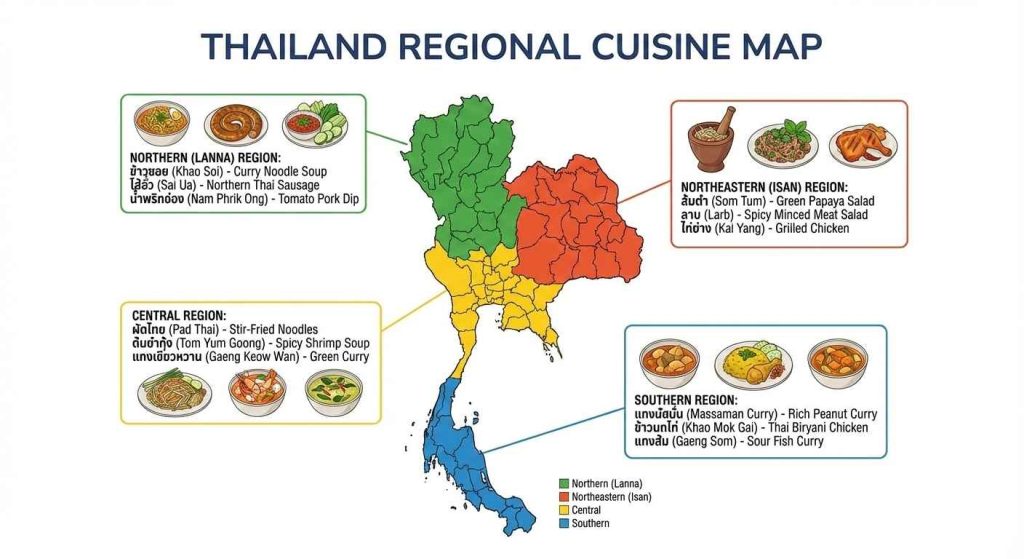
regional_thai_cuisine

Thai Cuisine Note – Food Production Management – BHM 3rd Semester

Introduction Thai cuisine is the national cuisine of Thailand. It is internationally known for its balanced taste, fresh ingredients, and attractive presentation. Thai food does not focus on a single dominant flavor; instead, it combines different tastes in a harmonious way. A typical Thai dish aims to balance sweet, sour, salty, bitter, and spicy elements.

Thai Cuisine Note – Food Production Management – BHM 3rd Semester Read More »

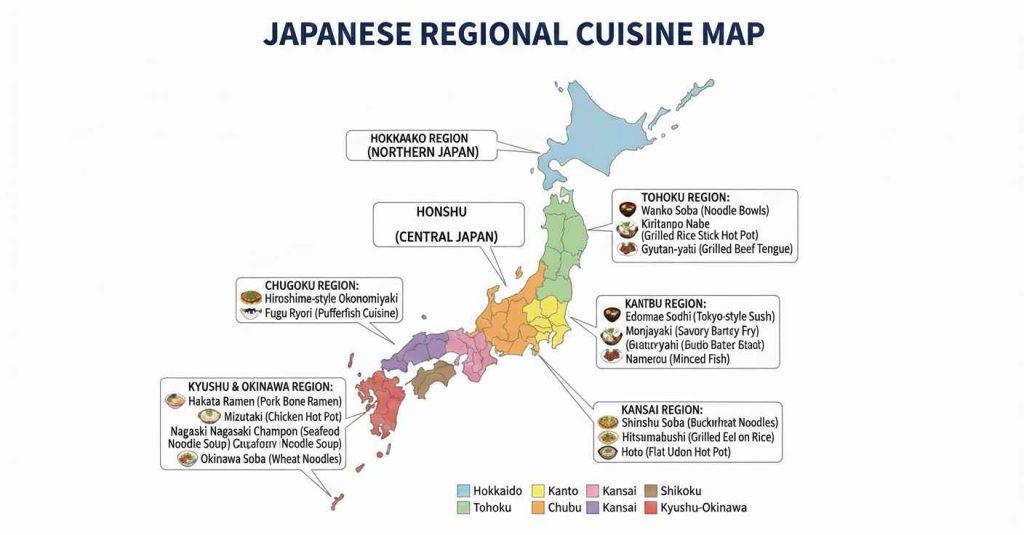
japanese_regional_cusine

Japanese Cuisine Notes – Food Production – BHM 4th Semester

Past Board Questions Introduction Japanese cuisine, known as washoku, is a food culture that values simplicity, balance, and harmony with nature. Instead of using heavy spices or complex mixtures, Japanese cooking focuses on preserving the natural flavor, texture, and freshness of ingredients. Each item in a meal is usually prepared separately, allowing its individual taste

Japanese Cuisine Notes – Food Production – BHM 4th Semester Read More »

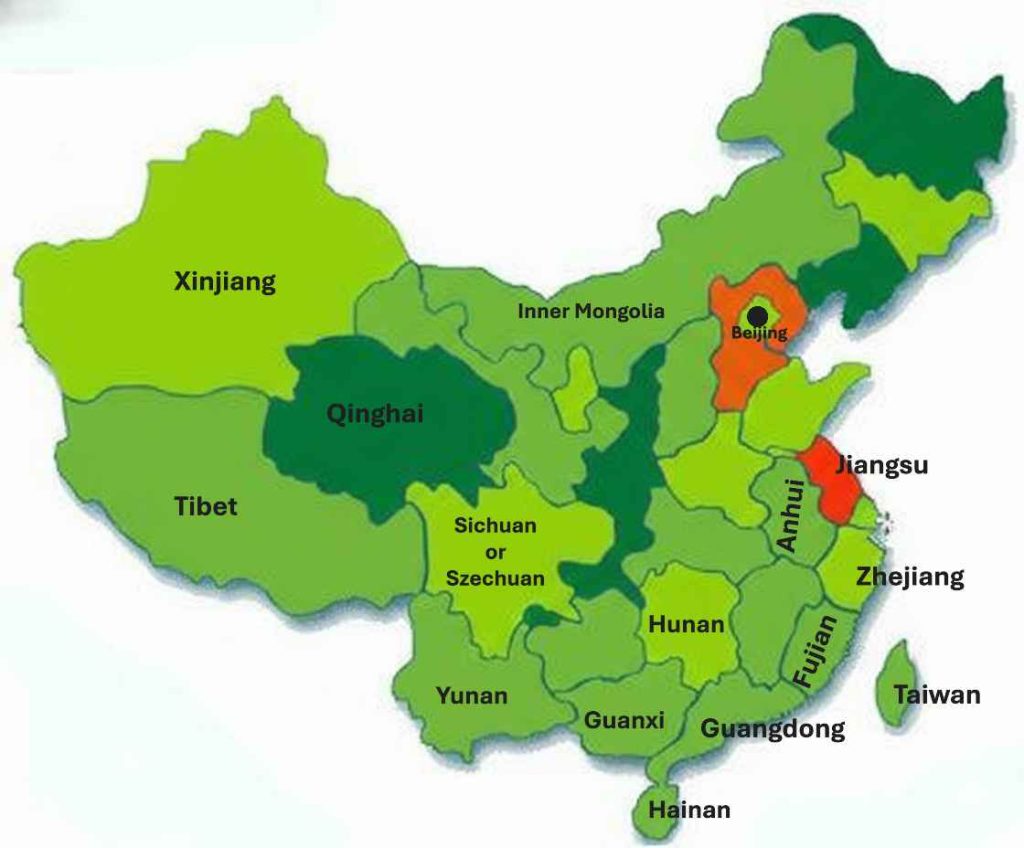
regional cuisine of china

Unit 3: Chinese, Thai and Japanese Cuisine Note

Important Questions Introduction to Chinese Cuisine Chinese cuisine is one of the oldest and most influential culinary traditions in the world. It has been developed through hundreds of regional traditions, imperial influences, religious practices, and seasonal availability. The cuisine is known for its emphasis on balance in taste, texture, color, and aroma. Staple foods such

Unit 3: Chinese, Thai and Japanese Cuisine Note Read More »

Unit 4: Breakfast

Introduction, Concept of breakfast, Types of breakfast, Food Items of Continental,English, American, Indian, Nepalese Breakfast Menus. Short Important Questions Long Important Questions Introduction to Breakfast Breakfast, known in French as “Petit-déjeuner” is the first meal of the day, usually consumed in the morning after waking up, usually between 7:00 AM and 10:00 AM. The term

Unit 4: Breakfast Read More »

Fish – Introduction, Classification, Quality, Cuts, Cooking, and Preservation

Introduction to Fish Fish (Le Poisson) are cold-blooded, gill-breathing aquatic animals belonging to the group Pisces. They live in water, use fins for movement, and do not have true limbs, feet, toes, or fingers. Their streamlined bodies and gills make them perfectly adapted for aquatic life. In culinary terms, fish and shellfish together are called

Fish – Introduction, Classification, Quality, Cuts, Cooking, and Preservation Read More »

Types of Offal – Introduction, Examples, and Uses in Cooking

Introduction to Offal Offal, also called variety meats, refers to the non-muscular edible parts of the carcasses of animals such as beef, veal, mutton, lamb, and pork. These parts are either consumed directly as food or used in the production of other food products. Offal can be defined as the edible internal organs and non-muscular

Types of Offal – Introduction, Examples, and Uses in Cooking Read More »

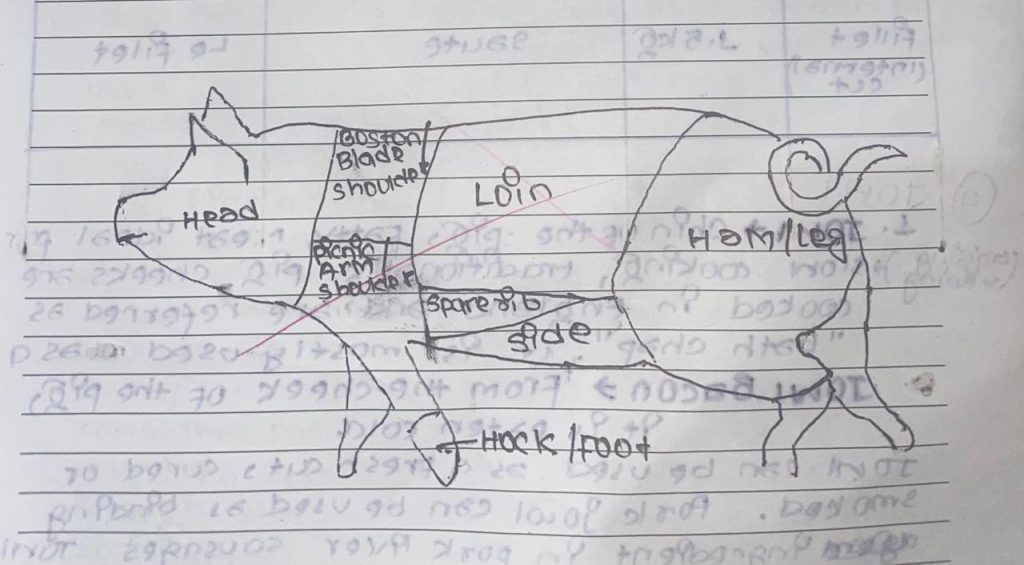
Pork: Introduction, Quality, Storage, Cuts & Usage | BHM Notes

Introduction to Pork Pork is the meat obtained from domesticated pigs (Sus scrofa domesticus). It is one of the most widely consumed meats globally and is valued for its flavor, versatility, and fat content. Pigs are omnivorous animals, and improper feeding—such as consumption of garbage or sewage—can make them carriers of disease-causing organisms, including parasites

Pork: Introduction, Quality, Storage, Cuts & Usage | BHM Notes Read More »