
Short Important Questions
- Define tequila with example. (1 Mark, 2017)
- List down four brand names of tequila. (1 Mark, 2018)
- Mention the traditional way of drinking Mezcal. (1 Mark, 2023)
- Brief the term Mezcal. (1 Mark, 2025)
Long Important Questions
- What are the differences between Tequila and Mezcal? Explain. (5 Marks, 2018)
- Describe Tequila. Mention the process of making tequila. (5 Marks, 2023)
- Discuss Tequila. Mention step-by-step manufacturing process of Tequila. (10 Marks, 2025)
Introduction
Tequila and Mezcal are Mexico’s most famous distilled spirits, both made from the agave plant (a succulent, not a cactus). Tequila is produced only from the Blue Weber Agave (Agave tequilana) and must come from specific regions of Mexico, mainly the state of Jalisco and a few surrounding states. Mezcal is a broader category of agave spirit that can be made from many different types of agave and is produced mainly in Oaxaca.
Tequila is widely consumed neat, chilled, or in popular cocktails such as Margarita and Tequila Sunrise. It is usually bottled between 38% and 40% alcohol by volume, though it can legally range from 35% to 55% ABV. Mezcal is known for its smoky flavor, which comes from the traditional way the agave is cooked before distillation.
In simple terms, all tequila is a type of mezcal, but not all mezcal is tequila, because tequila follows much stricter rules about agave type and production area.
| Definition: Tequila is a distilled alcoholic spirit made only from Blue Weber agave (Agave tequilana) and produced in specific regions of Mexico (mainly Jalisco), usually bottled at about 38–40% ABV. Mezcal is a traditional Mexican agave spirit made from many varieties of agave (not just blue agave), produced mainly in Oaxaca, and known for its distinct smoky flavour. |
Manufacturing Process
- Harvesting
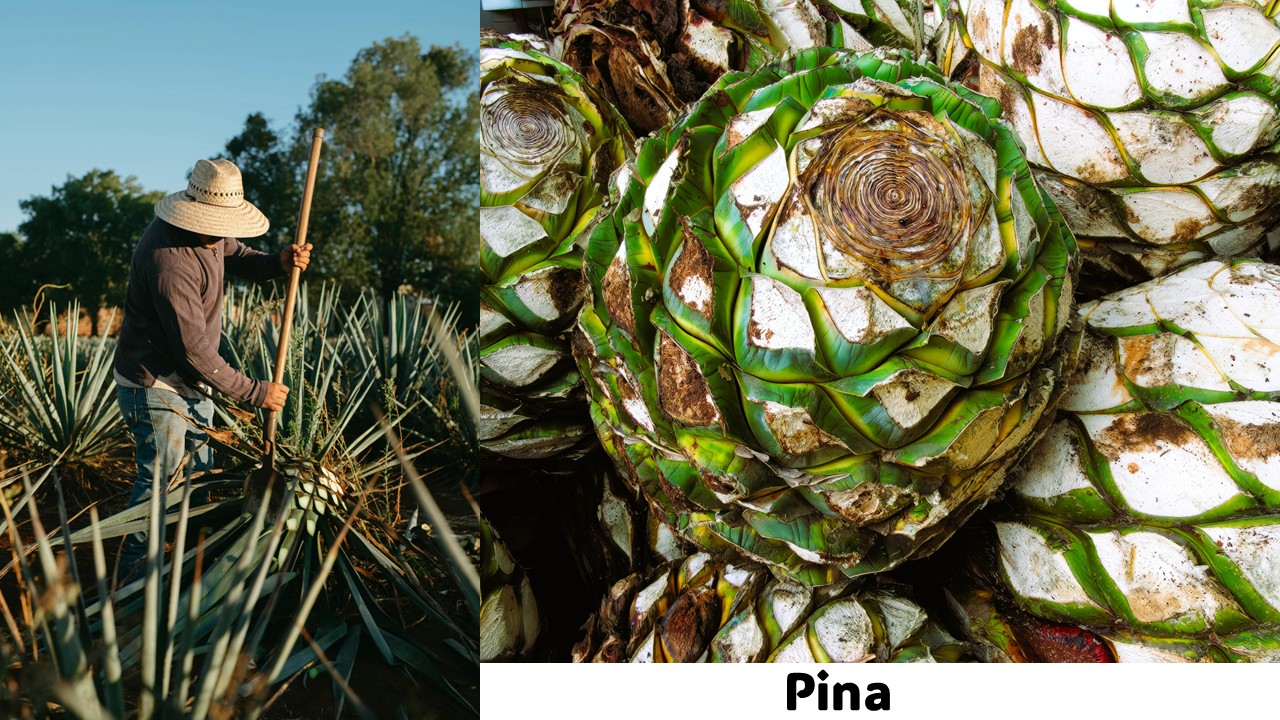
Tequila is made from the Blue Weber agave plant, which takes 7–10 years to mature. Skilled workers called Jimadors cut away the sharp leaves using a tool called a coa to reach the heart of the plant.
This heart is called the piña, which weighs about 40–60 kg and contains the sugars needed to make alcohol.
- Cooking (Baking the Pinas)
After harvesting, the piñas are cut into pieces and slowly cooked. This step is very important because it converts the starch inside the agave into fermentable sugars.
For tequila, the agave hearts (piñas) are steamed either in traditional brick ovens for 24–48 hours or in modern autoclaves for faster cooking. This process softens the agave and brings out its natural sweetness.
For mezcal, the agave hearts (piñas) are roasted in underground pits filled with hot volcanic rocks and wood fire. They are covered and left to smoke for 3–7 days, which gives mezcal its strong smoky flavor. - Crushing / Extraction
After cooking or roasting, the softened agave piñas are crushed to extract their sweet juice.- Traditionally, a large stone wheel called a Tahona is used to slowly crush the agave.
- In modern distilleries, mechanical roller mills are used to squeeze out the juice.
The extracted sweet liquid is called aguamiel, which is collected and sent for fermentation.
- Fermentation
The extracted aguamiel (agave juice) is poured into large tanks made of wood or stainless steel. Yeast is added, which converts the natural sugars in the juice into alcohol.- For tequila, fermentation usually takes 2–5 days.
- For mezcal, it may take up to 1–2 weeks, often using natural (wild) yeast.
This process produces a low-alcohol liquid called agave wine, ready for distillation.
- Distillation
The fermented liquid is distilled to increase alcohol strength. Almost all Tequila and Mezcal are distilled at least twice.- First distillation produces a low-strength spirit called Ordinario (about 20% ABV).
- Second distillation produces clear tequila (about 55% ABV).
Distillation is usually done in copper or stainless-steel stills. However, some brands use triple distillation for extra smoothness.
- Aging, Bottling and Labelling
After distillation:- Some like Blanco (Silver) Tequila is bottled directly.
- Or the tequila is aged in oak barrels to make:
- Reposado
- Añejo
- Extra Añejo
Before bottling, tequila is diluted with water to around 38–40% alcohol and then sealed.
Types of Tequila
Before looking at age, Tequila is divided into two types based on the purity of the agave juice:
- 100% De Agave
It is distilled only from 100% fermented Blue Weber Agave sugars. No other sugars or additives are allowed during fermentation.
It must be labeled as “100% de Agave” in bottling. It is considered premium and must be bottled in Mexico to ensure quality. - Mixto (Mixed)
It must contain at least 51% Blue Weber Agave sugar. The remaining 49% can be non-agave sugars (usually cane sugar or corn syrup).
Mixto is labeled simply as “Tequila” if it doesn’t say “100%” and is usually used for mass-produced drinks or exported in bulk.
Categories on Basis of Aging
The Consejo Regulador del Tequila (CRT) defines these five categories based on the time spent in contact with oak:
- Blanco (Silver / Plata / White)
Blanco (also called Silver or Plata) Tequila is unaged or aged for less than two months, usually bottled immediately after distillation.
It is stored in stainless steel tanks or neutral oak barrels that do not impart color or flavor. Blanco Tequila has a clear, pure appearance and showcases the natural taste of raw agave, with hints of citrus, green pepper, and earth.
It is commonly used in cocktails such as Margaritas and Palomas. Examples include Camino Silver and Sauza Silver. - Joven (also called Gold or Oro)
It is a blend of Blanco Tequila with aged Tequilas, such as Reposado or Añejo. In Mixto versions, additives like caramel coloring, sugar syrup, and glycerin are sometimes added to mimic the appearance and mildness of aging.
Joven Tequila has a golden color but generally lacks the complexity of truly aged Tequila.
It is often used in mixed drinks and for those who prefer a milder, slightly sweet flavor. Examples include José Cuervo Oro, Camino Gold, and Sauza Gold. - Reposado (meaning “Rested”)
It is aged for a minimum of 2 months but less than 1 year in oak barrels or large oak vats.
During this time, it develops a pale straw to golden color and a smoother taste, as the wood softens the “bite” of the alcohol.
Reposado offers flavors of honey, vanilla, and lightly toasted oak, making it the most popular sipping Tequila in Mexico. - Añejo (meaning “Aged” or “Vintage”)
It is aged for a minimum of 1 year and up to 3 years in sealed oak barrels with a maximum capacity of 600 liters, which allows more contact between the wood and the spirit.
It has an amber to copper color and a rich, complex flavor profile with notes of butterscotch, cinnamon, tobacco, and dark chocolate. Añejo Tequila is smooth and meant for sipping neat, offering a more refined experience compared to younger Tequilas. - Extra Añejo (meaning “Ultra Aged”)
It is aged for a minimum of 3 years in oak barrels, a category officially established in 2006. It has a very dark, mahogany color, and the influence of the wood is dominant, while the agave flavor becomes subtle.
Extra Añejo is extremely smooth and complex, with flavor notes similar to fine Cognac or Grand Marnier, and is intended to be sipped neat in a snifter. Due to its long aging, it is often very expensive and considered a luxury Tequila.
Popular Tequila Brands
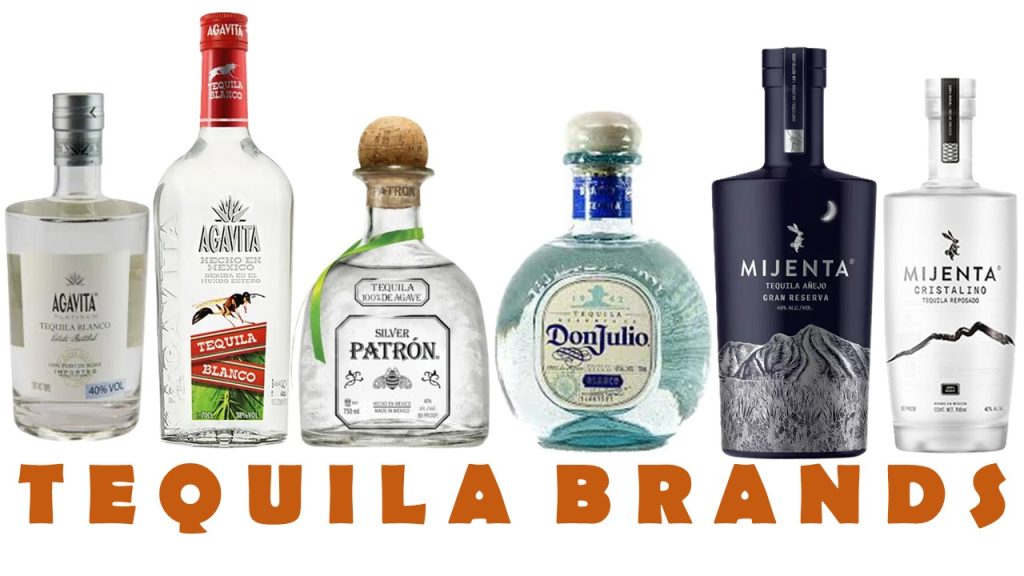
| José Cuervo (Mexico) | Patrón (Mexico) | Sauza (Mexico) | Casamigos (Mexico) |
| 1800 Tequila (Mexico) | Herradura (Mexico) | Camino Real / Camino Silver (Mexico) | Don Julio (Mexico) |
Popular Mezcal Brands
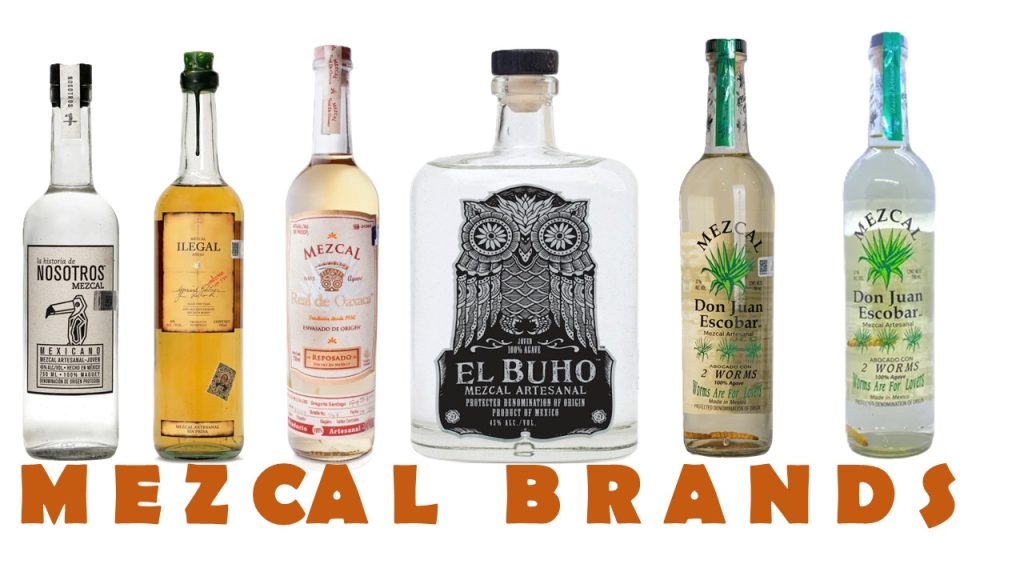
| Del Maguey (Mexico) | Ilegal Mezcal (Mexico) |
| El Silencio (Mexico) | Mezcal Amores (Mexico) |
| Montelobos (Mexico) |
Traditional Way of Drinking Tequila
Tequila is usually served chilled in a small shot or liqueur glass, with a wedge of lime and a pinch of salt. The salt is placed on the web between the thumb and forefinger, and a quarter of lime is held in the same hand. To drink, you lick the salt, take the shot of Tequila (usually 30 ml), and then bite the lime. The salt is believed to reduce the burn of the alcohol, while the lime enhances the flavor. In Germany, some people take a pinch of cinnamon before the shot and a slice of orange afterward.
Traditional Way of Drinking Mezcal
Mezcal, made from various species of the Agave (Maguey) plant, is mostly produced in Oaxaca, Southern Mexico. Its name comes from the Nahuatl words mexcalli (oven-cooked agave) and ixcalli. Mezcal has a slightly smoky flavor and is usually consumed straight. It is often accompanied by sliced oranges sprinkled with a mixture called “sal de gusano” (worm salt), made from ground fried larva, chili powder, and salt, which complements its unique taste.
Service of Tequila
- Glass: Shot glass, liqueur glass, or snifter (for sipping aged Tequila).
- Measure: Standard 30 ml per serving.
- Temperature: Chilled for shots; room temperature for aged sipping Tequila.
- Accompaniments: Lemon or lime wedge; glass rimmed with salt for shots.
- Cocktails: Used in Margaritas, Palomas, and other mixed drinks, often with garnishes.
- Sipping: Reposado, Añejo, and Extra Añejo are usually served neat to enjoy aroma and flavor.
Differences Between Tequila and Mezcal
| Basis | Tequila | Mezcal |
|---|---|---|
| Region | Produced in Tequila city, Jalisco, Western Mexico | Most mezcals are produced in Oaxaca, Southern Mexico |
| Production | Steam-cooked in ovens or autoclaves | Roasted in underground pits with wood and volcanic rocks |
| Agave Type | Only Blue Weber Agave (strictly regulated by CRT) | Can be produced from 30 varieties of agave |
| Relation | All Tequilas are technically mezcal | Not all mezcals are Tequila |
| Flavor | Does not have smoky flavor | Slightly smoky flavor |
| Popular Brands | José Cuervo, Patrón, Don Julio | Del Maguey, Montelobos, Ilegal Mezcal |