BhmAims

Unit 10: Mixology and Cocktails Notes – Bar and Beverage Service – BHM

Introduction, Cocktail and Mocktail, Measuring, Mixing methods, Cocktails:Component, Principle of making cocktail, Popular cocktails and mocktailrecipes. Short Important Questions Long Important Questions Introduction Mixology is the art and science of mixing drinks, especially cocktails. It is a more advanced and refined form of bartending that focuses on understanding flavors, ingredients, and techniques. The word mixology

Unit 10: Mixology and Cocktails Notes – Bar and Beverage Service – BHM Read More »

Unit 8: Liqueurs Notes – Bar and Beverage Service – BHM

Short Important Questions Long Important Questions Introduction A liqueur is a sweetened and flavoured alcoholic beverage made from a base spirit such as neutral spirit or grain spirit. It is flavoured using fruits, herbs, spices, flowers, seeds, nuts, plants, or cream and may be coloured or colourless. The word liqueur comes from cordials, which were

Unit 8: Liqueurs Notes – Bar and Beverage Service – BHM Read More »

Unit 7: Tequila and Mezcal Notes – Bar and Beverage Service – BHM

Short Important Questions Long Important Questions Introduction Tequila and Mezcal are Mexico’s most famous distilled spirits, both made from the agave plant (a succulent, not a cactus). Tequila is produced only from the Blue Weber Agave (Agave tequilana) and must come from specific regions of Mexico, mainly the state of Jalisco and a few surrounding

Unit 7: Tequila and Mezcal Notes – Bar and Beverage Service – BHM Read More »

Unit 5: Brandy Notes – Bar and Beverage Service – BHM

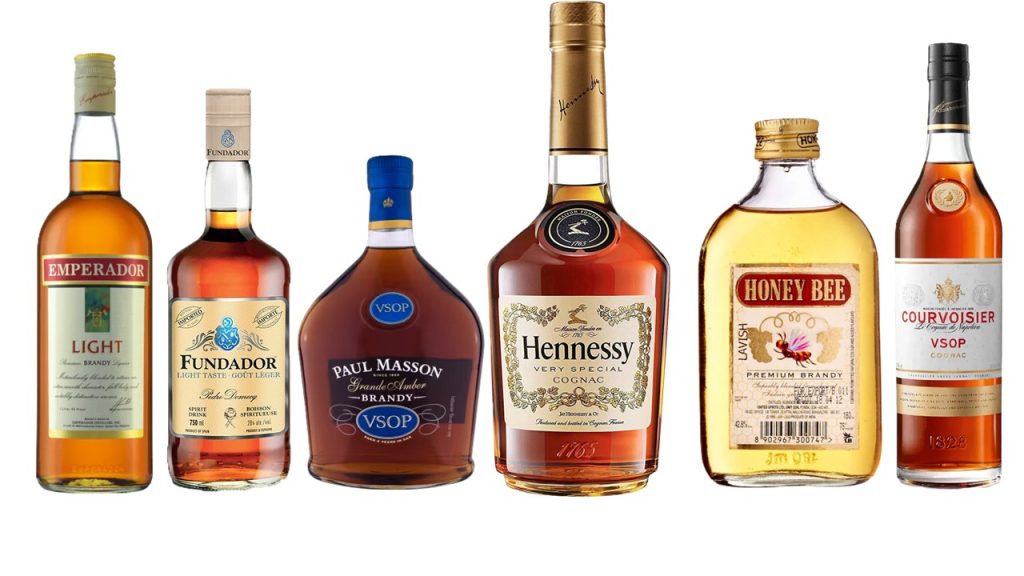
Short Important Questions Long Important Questions Introduction Brandy is a distilled spirit made from fermented fruit juice, most commonly from grapes. It’s standard alcohol content typically ranges from 35% to 60% ABV. The name comes from the Dutch word “Brandewijn”, meaning “burnt wine,” which refers to the distillation process. While grape brandy is the most

Unit 5: Brandy Notes – Bar and Beverage Service – BHM Read More »

Unit 4: Rum Notes – Bar and Beverage Service – BHM

Short Important Questions Long Important Questions Introduction of Rum Rum is a distilled alcoholic beverage made from sugarcane or its by-products, mainly molasses and sometimes fresh sugarcane juice. It is produced mainly in countries where sugarcane is widely grown. After fermentation and distillation, rum is usually matured and bottled as a smooth, sweet, and aromatic

Unit 4: Rum Notes – Bar and Beverage Service – BHM Read More »

Unit 3: Vodka Notes – Bar and Beverage Service – BHM

Short Important Questions Long Important Questions Introduction The word vodka comes from the Slavic word voda, which means water. Vodka literally means “little water”, referring to its clear, colourless and transparent appearance. Because vodka looks like water and has a very clean taste, it was given this name. Origin (For General Knowledge) Vodka originated in

Unit 3: Vodka Notes – Bar and Beverage Service – BHM Read More »

Unit 2: Whisky Notes – Bar and Beverage Service

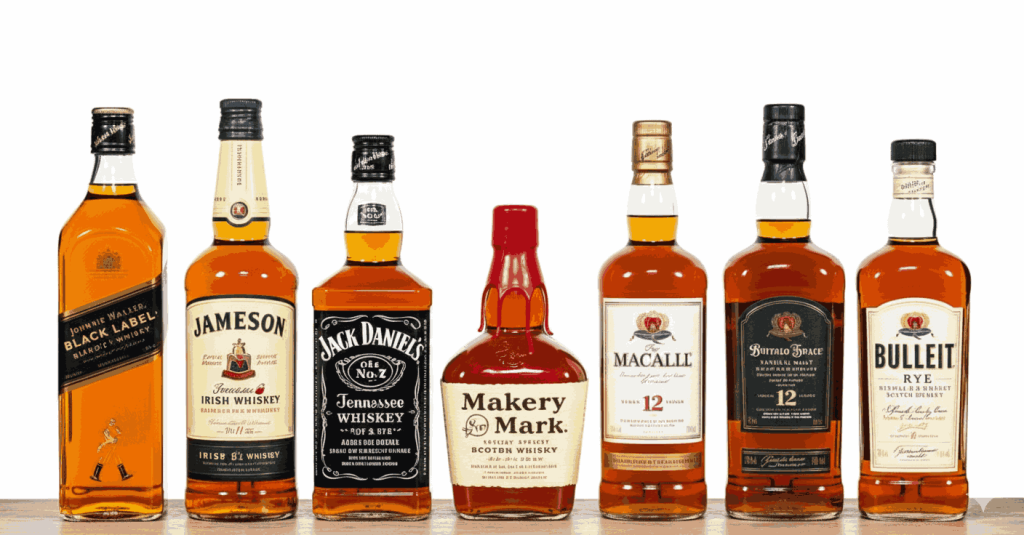
Short Important Questions Long Important Questions Introduction Whisky (or whiskey) is a distilled alcoholic beverage made from fermented grain mash. The grains commonly used are: The mash is first fermented and then distilled to produce a strong spirit, which is later aged in wooden casks to develop flavour, colour and smoothness. Definition: Whisky is a

Unit 2: Whisky Notes – Bar and Beverage Service Read More »
Unit 6: Gin Notes – Bar and Beverage Service – BHM

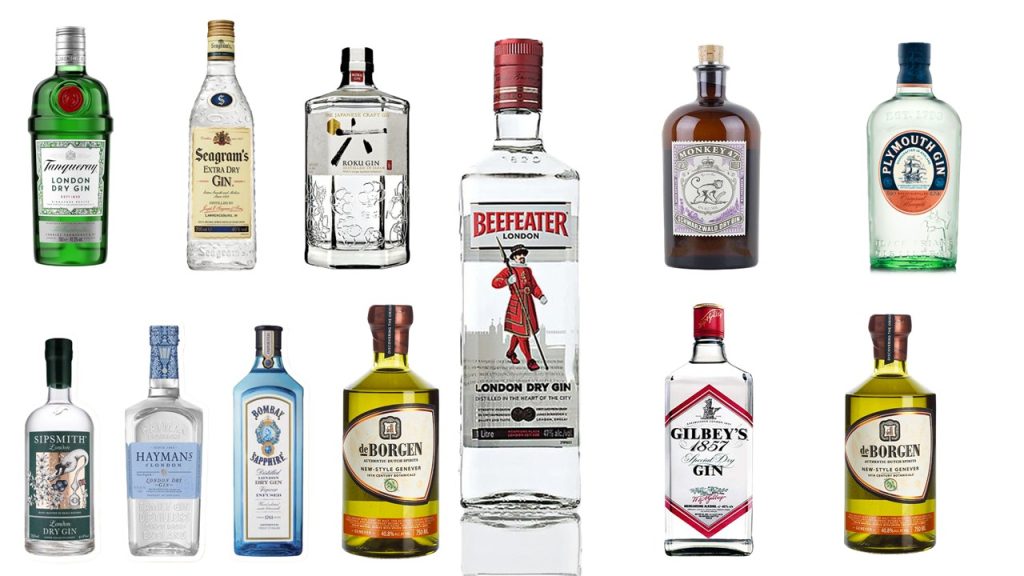
Short Important Questions Long Important Questions Introduction The word “gin” is a shortened form of the older English word genever, related to French genièvre and Dutch jenever, all of which ultimately come from the Latin word juniperus, meaning juniper. Definition: Gin is a clear, un-aged spirit distilled primarily from grains such as barley, corn, or

Unit 6: Gin Notes – Bar and Beverage Service – BHM Read More »