| Note: Solved solutions are uploaded for students’ reference. If you notice any errors or discrepancies, please inform us via email bhmaims@gmail.com so we can review and correct them. |
Board Past Year Question 2024 (New Course)
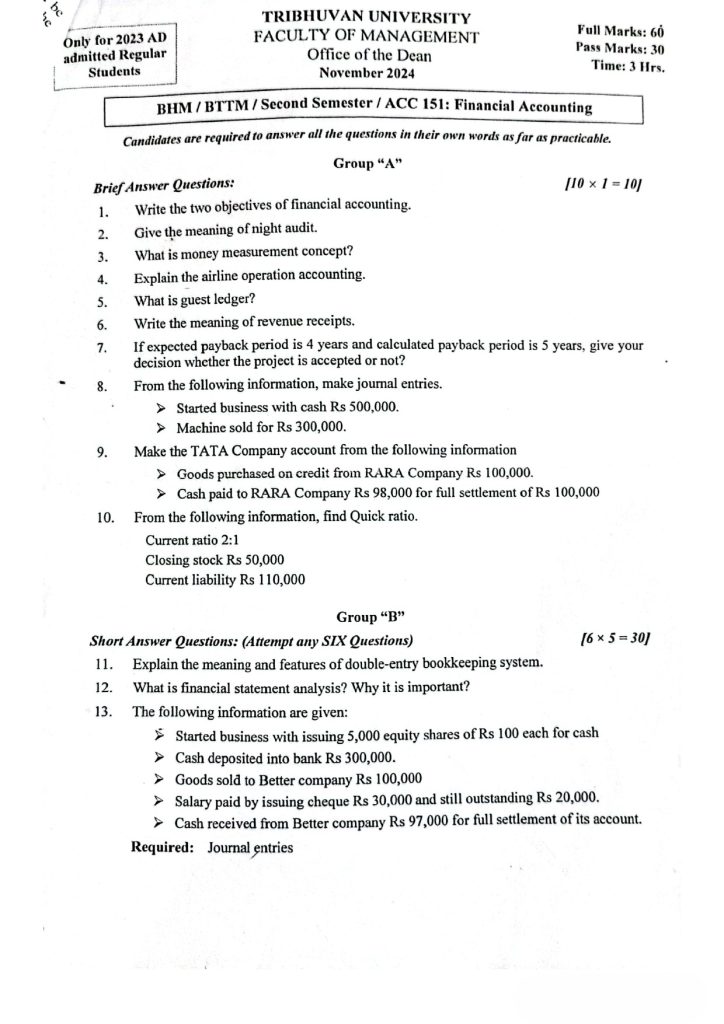
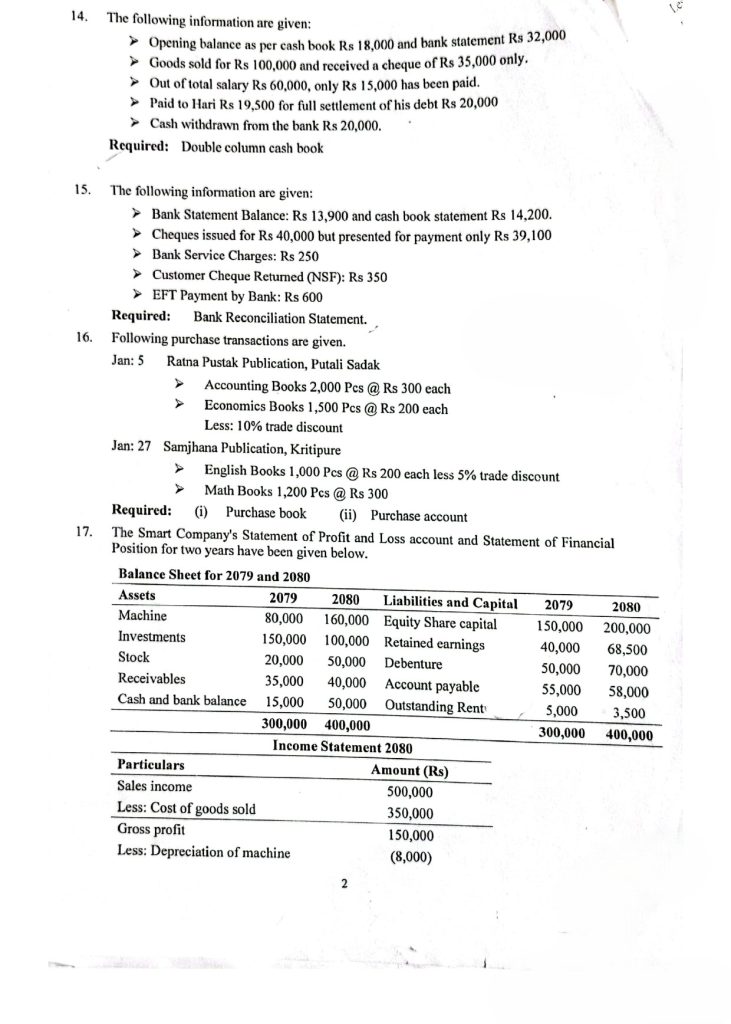
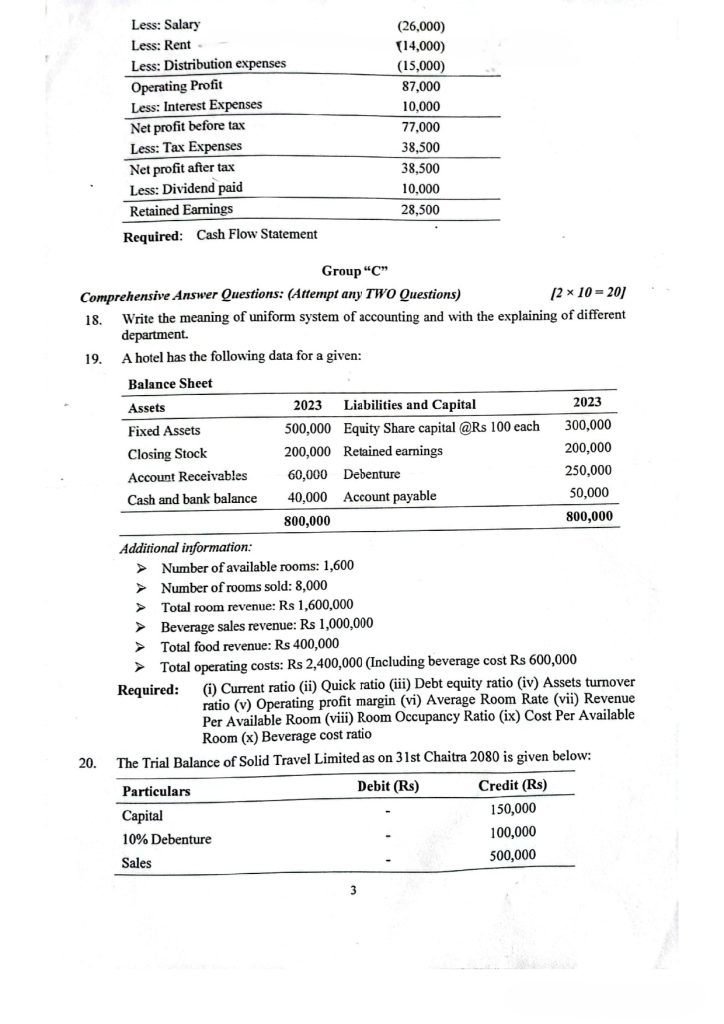
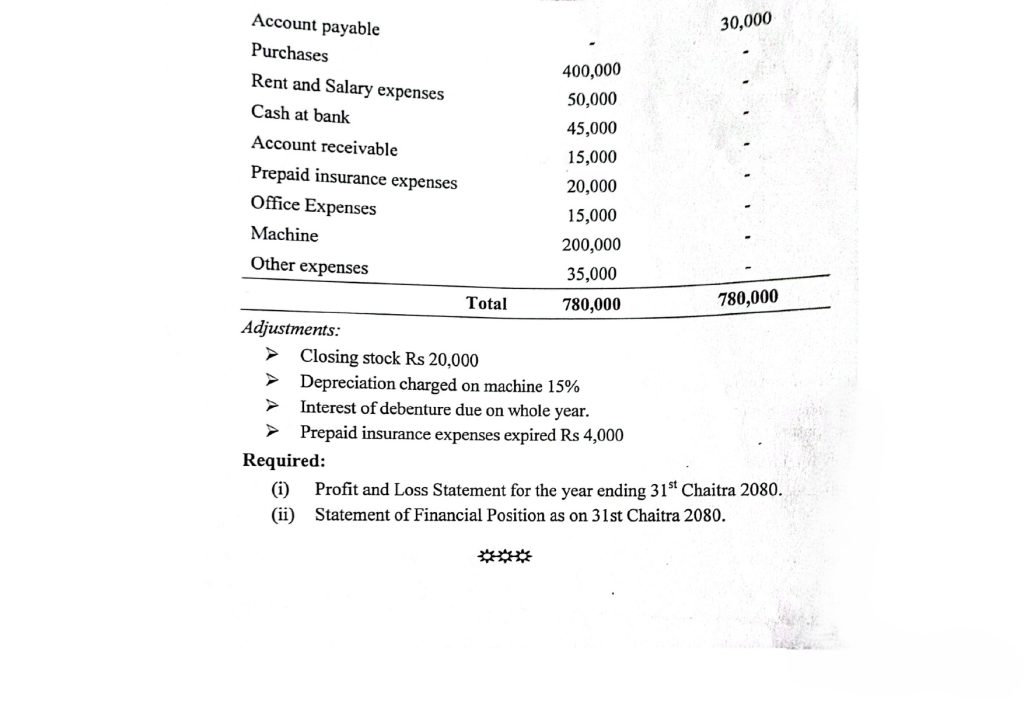
Solved Solutions: 2024
- The two objective of financial accounting are:
- To maintain systematic records of financial transactions.
- To determine the profit or loss of the business.
- To discover / ascertain the financial position of the business.
- To provide financial information to users.
- To help in making economic and business decisions.
- To meet legal and regulatory requirements.
- Night audit is the process of checking, recording, and balancing all financial and guest transactions of a hotel at the end of each business day, usually during the night.
(OR)
Night audit is a daily accounting and reconciliation procedure in hotels that verifies the accuracy of room charges, guest accounts, departmental transactions, and financial records before closing one business day and beginning the next.
In simple words:
It is the end-of-day checking and balancing of a hotel’s accounts performed by the night auditor. - The money measurement concept states that only those business transactions and events that can be expressed in monetary terms are recorded in the books of accounts.
Example: Purchase of furniture for NPR 50,000 is recorded, but employee honesty/skill is not recorded because it cannot be measured in money. - Airline operation accounting refers to the recording, classifying, and reporting of all financial transactions related to the operation of an airline. It helps an airline keep track of its income, expenses, assets, and liabilities.
In simple words: Airline operation accounting is the system of keeping financial records of all income and expenses involved in running an airline. - A guest ledger is an accounting record that keeps track of the financial transactions and outstanding balances of guests who are currently staying in a hotel.
Example: If a guest spends NPR 5,000 on a room, NPR 1,500 at the restaurant, and NPR 500 on laundry, all these charges are recorded in the guest ledger. - Revenue receipts are amounts of money received by a business from its normal day-to-day activities and operations.
Example: Sales revenue, room rent, service charges, commission, and interest received in hotel are examples of revenue receipts. - Since the calculated payback period is longer than the expected payback period, the project does not meet the required payback period.Decision: The project should be rejected.
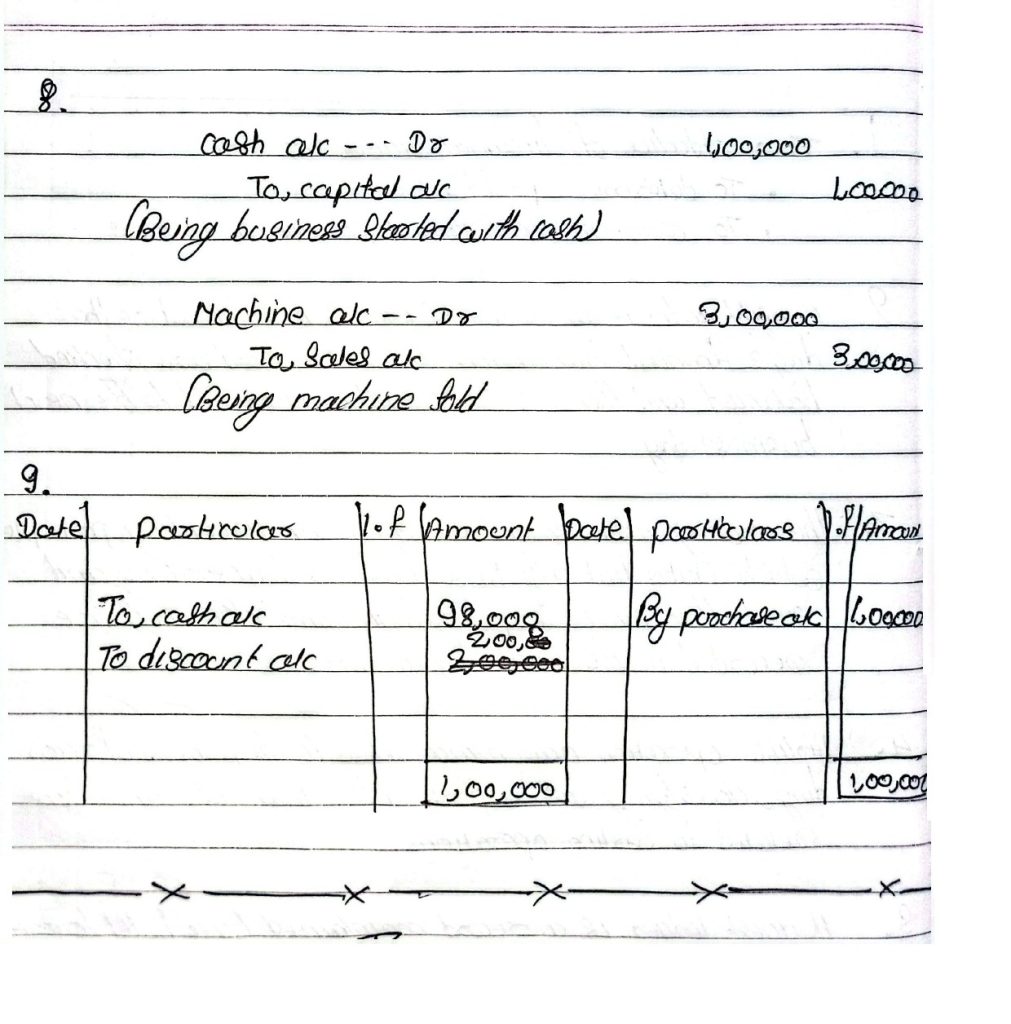
Answer of Qn No 8 and 9
- From the following information, find Quick ratio.
Current ratio 2:1
Closing Stock = Rs. 50,000
Current Liabilities = Rs. 110,000
↪
Solution:
Given,
Current Ratio = 2 : 1
Closing Stock = Rs. 50,000
Current Liabilities = Rs. 110,000
Now,
Step 1: Calculating Current Assets
We know the formula,
Current ratio = Current Assets / Current Liabilities
or, 2 = Current assets / 110,000
or, Current Assets = 110,000 * 2
∴ Current Assets = Rs 220,000
Step 2: Calculating Quick Assets
We Know,
Quick Assets = Current Assets − Closing Stock
= 220,000 – 50,000
= Rs 170,000
Step 3: Now Calculating Quick Ratio
We know,
Quick Ratio = Quick Assets / Current Liabilities
= 170,000 / 110,000
= 1.545 : 1
Answer: Quick Ratio = 1.55 : 1 (approximately)
- Explain the meaning and features of double-entry bookkeeping system.
↪
The double-entry bookkeeping system is a system of accounting in which every financial transaction affects at least two accounts, with one account being debited and another being credited by the same amount.
In simple words: Every transaction has two sides—Debit and Credit, and the total debit must always be equal to the total credit.
The features of Double Entry Bookkeeping System are:- Two aspects: Every transaction has two aspects, such as receiving and giving.
- Debit and credit: One account is debited and another account is credited.
- Equal amounts: The amount debited is always equal to the amount credited.
- Complete records: It records all financial transactions systematically.
- Based on accounting equation: It follows the relationship Assets = Liabilities + Capital.
- Helps determine profit or loss: It provides the information needed to prepare the income statement.
- Shows financial position: It helps prepare the balance sheet and determine the financial position of the business.
- Helps detect errors: A trial balance can be prepared to check the arithmetical accuracy of accounting records.
- Systematic and reliable: Transactions are recorded in an organized and consistent manner.
- Suitable for large businesses: It is widely used by businesses because it provides detailed and comprehensive financial records.
- What is financial statement analysis? Why is it important?
↪
Financial statement analysis is the process of examining and interpreting the financial statements of a business to understand its financial performance and financial position.
In simple words, it helps us understand how well a business is performing and what its financial condition is.
The importance of Financial Statement Analysis are:- Measures profitability – It helps determine whether the business is earning sufficient profit.
- Evaluates financial position – It shows the strength of the business in terms of assets, liabilities, and capital.
- Helps in decision-making – It provides useful information for making business and financial decisions.
- Measures liquidity – It shows the ability of a business to pay its short-term obligations.
- Measures solvency – It helps determine the ability to meet long-term financial obligations.
- Identifies strengths and weaknesses – It helps management identify areas that are performing well and areas needing improvement.
- Facilitates comparison – It allows comparison of financial performance between different years or with other businesses.
- Useful to investors and creditors – It helps investors, banks, and creditors assess the financial condition before making decisions.
- Helps in planning – Provides a basis for future financial planning and control.
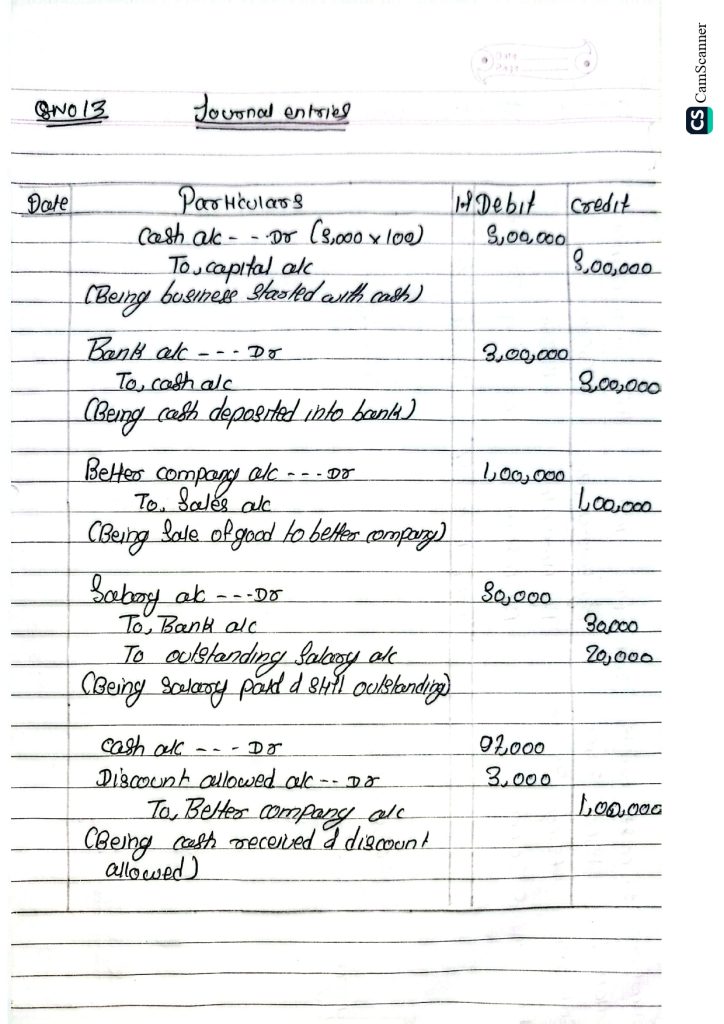
Answer of Qn No 13
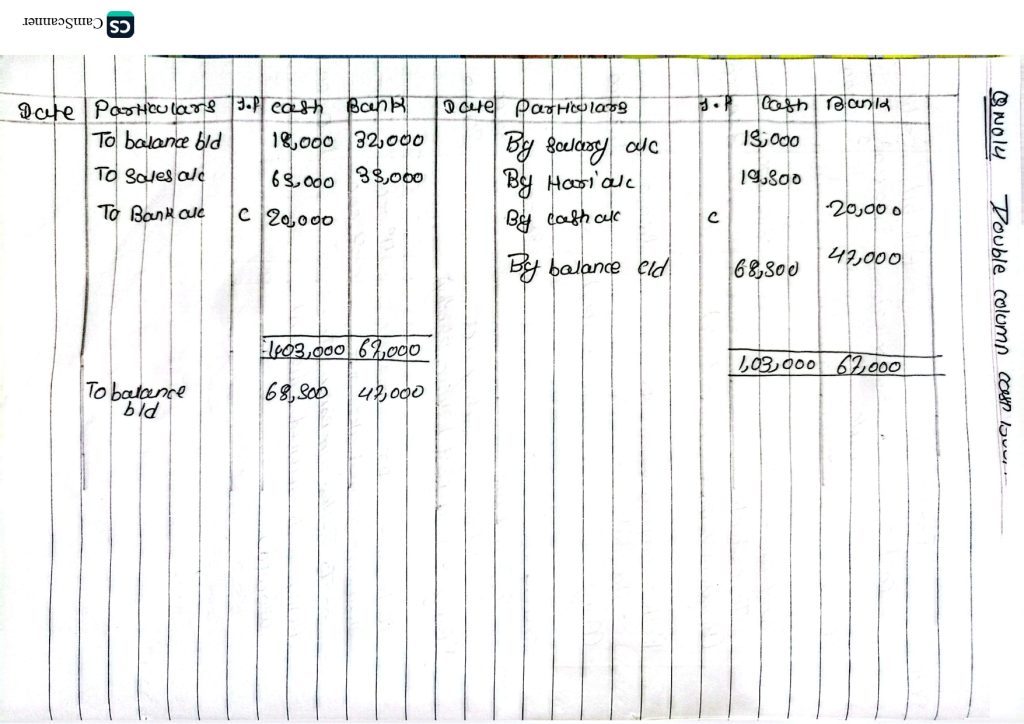
Answer of Qn No 14
Answer of Qn No 15 and 16
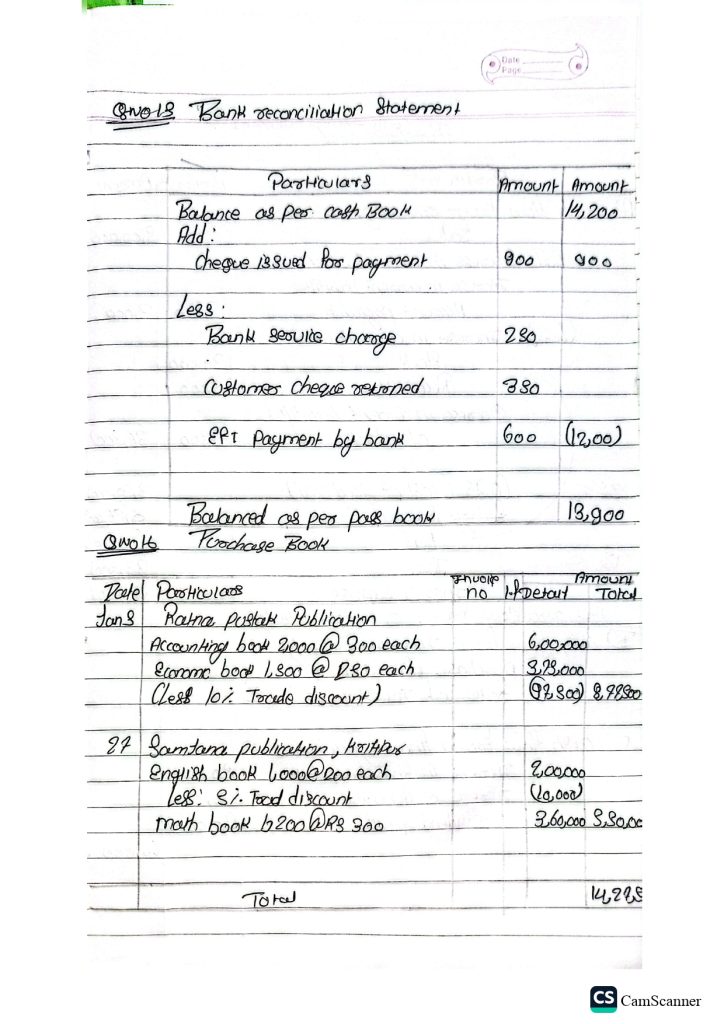
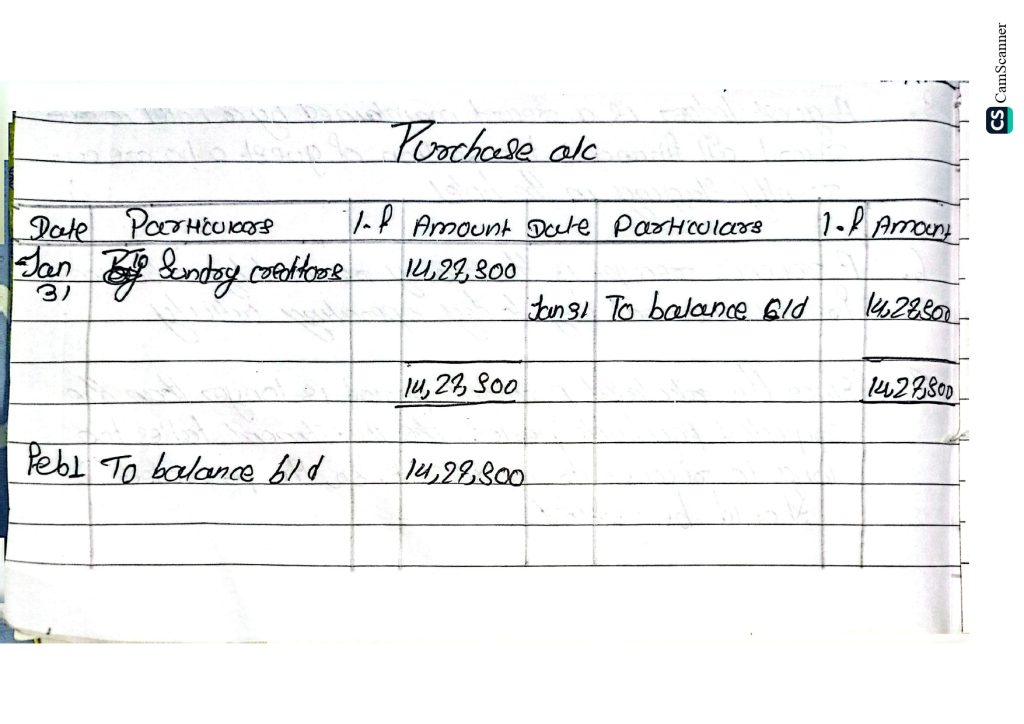
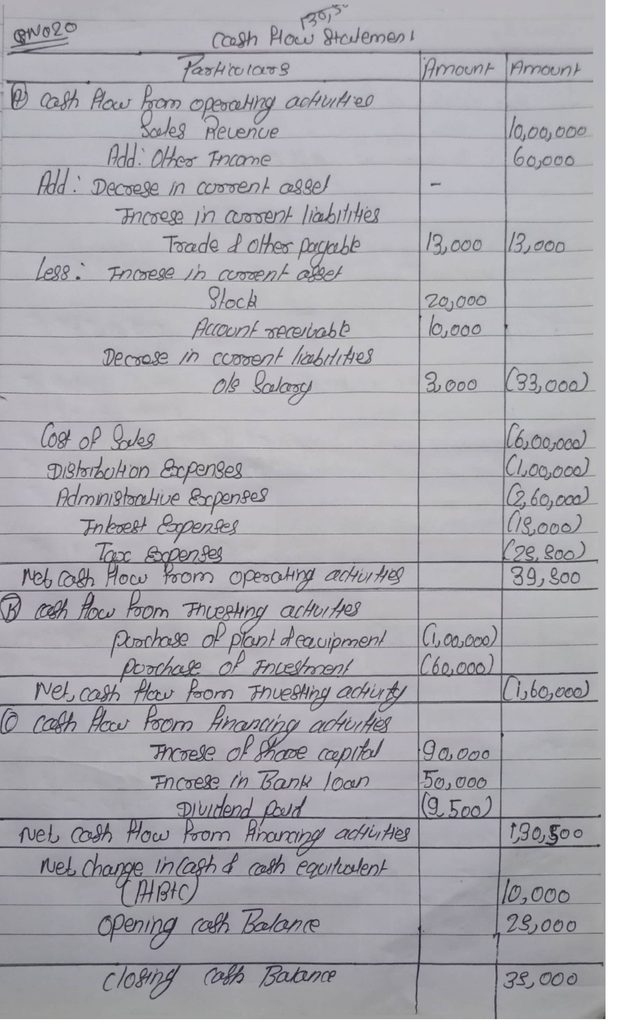
Answer of Qn No 17
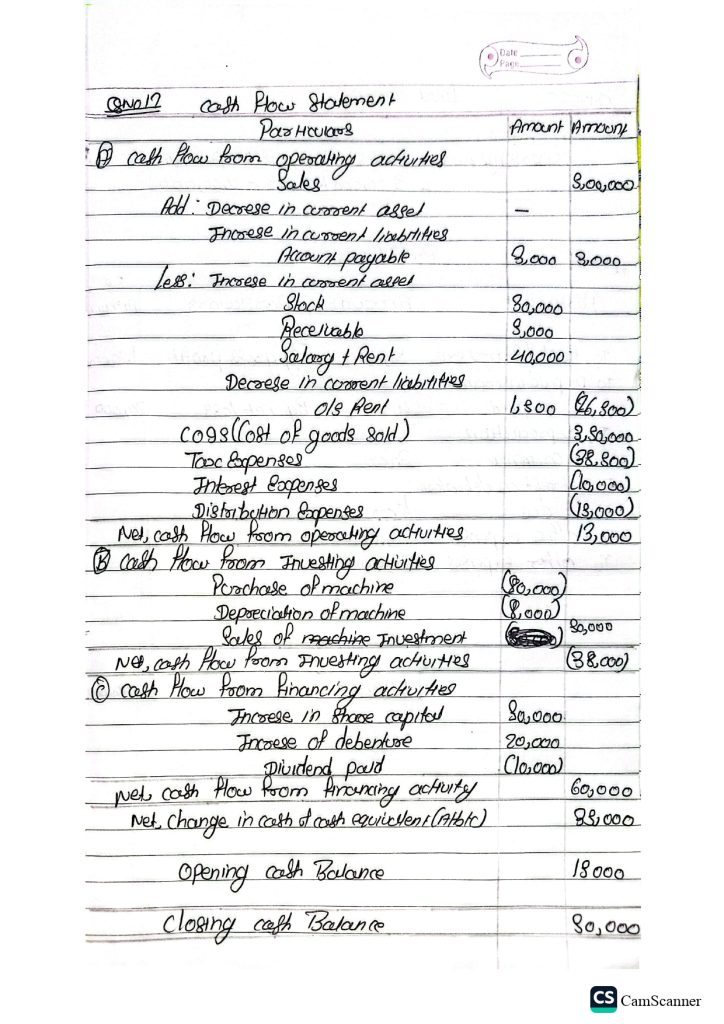
- Write the meaning of uniform system of accounting and with the explaining of different departments.
↪
The Uniform System of Accounting is a standardized system of accounting used in the hospitality industry to classify, record, and report financial information in a common format. It helps hotels compare the performance of different departments and different hotels easily.
Under hotel accounting, departments are generally divided into the following:
- Rooms Department: It is responsible for selling and managing guest rooms. It generates revenue through room sales, accommodation, and related services.
- Food Department: It is responsible for preparing and serving food to guests. It generates revenue through food sales in restaurants, banquets, room service, and other outlets.
- Beverage Department: It is responsible for preparing and serving alcoholic and non-alcoholic beverages. It generates revenue through beverage sales in bars, restaurants, banquets, and other outlets.
- Other Operated Departments: These departments provide additional services to guests. Examples include spa, laundry, health club, parking, telephone, and recreational services, which may generate additional revenue for the hotel.
- Administrative and General Department: It is responsible for the overall administration and management of the hotel. It includes activities related to management, accounting, human resources, and general office operations.
- Sales and Marketing Department: It is responsible for promoting the hotel and attracting guests and business. It includes advertising, sales promotion, marketing, and other activities related to increasing hotel business.
- Maintenance Department: It is responsible for maintaining the hotel’s building, equipment, electrical systems, plumbing, and other physical facilities.
- Human Resources Department: It is responsible for recruiting, training, managing, and providing welfare services to hotel employees.
- Security Department: It is responsible for protecting guests, employees, hotel property, and other assets of the hotel.
- Non-Operating Department: It includes activities that are not directly related to the hotel’s main operating departments, such as interest income, interest expenses, and gains or losses from the sale of assets.
Answer of Qn No 19
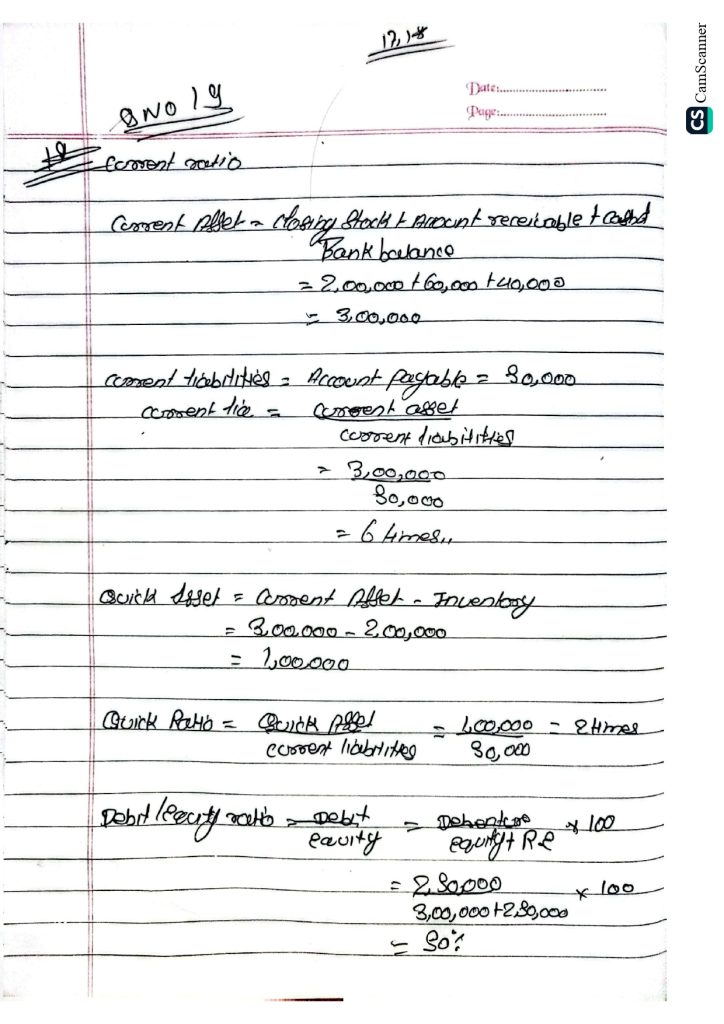
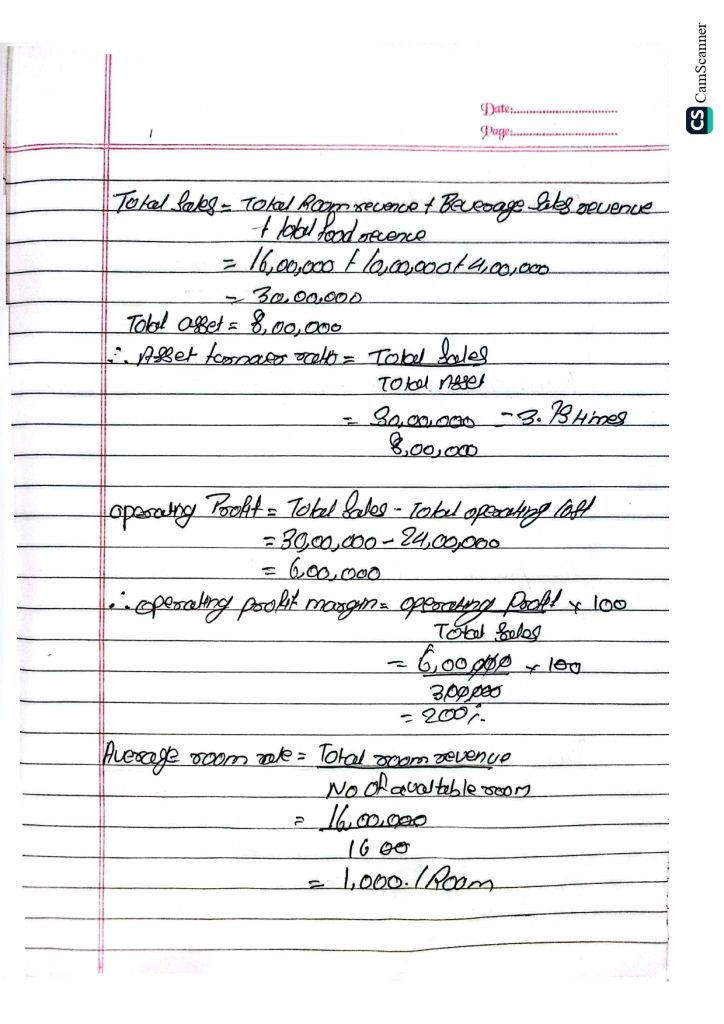
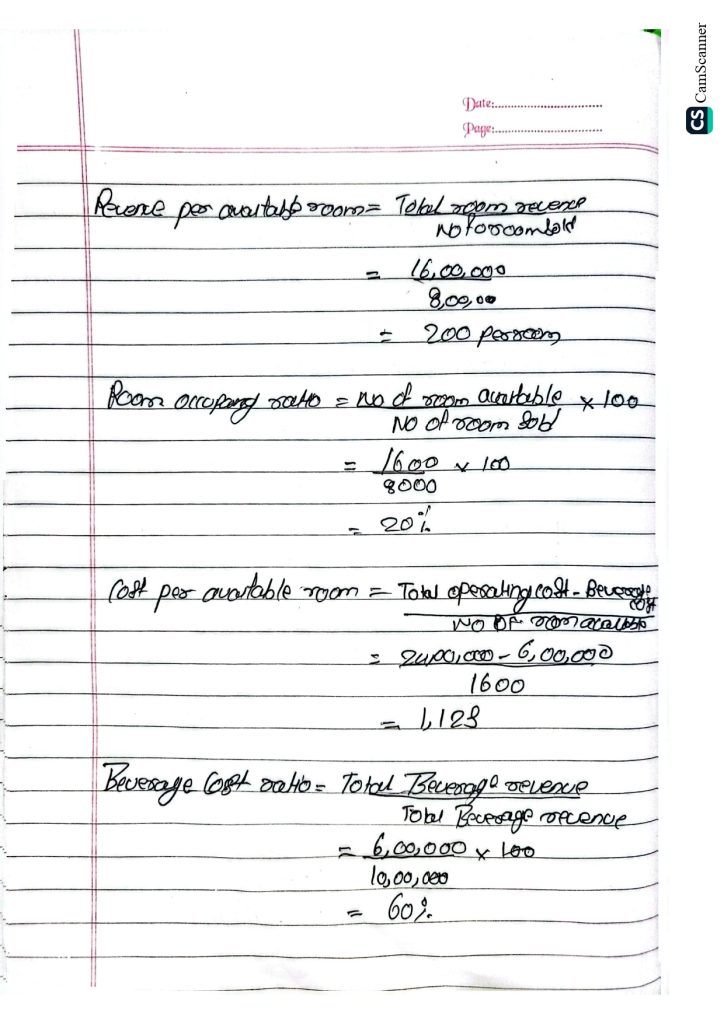
Answer of Qn No 20
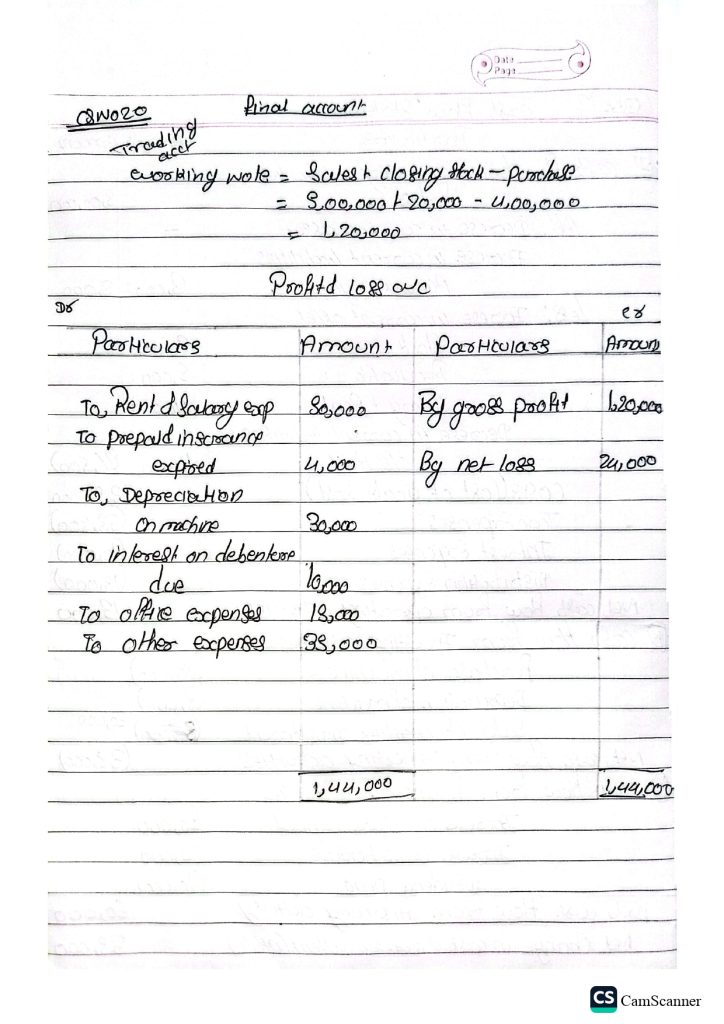
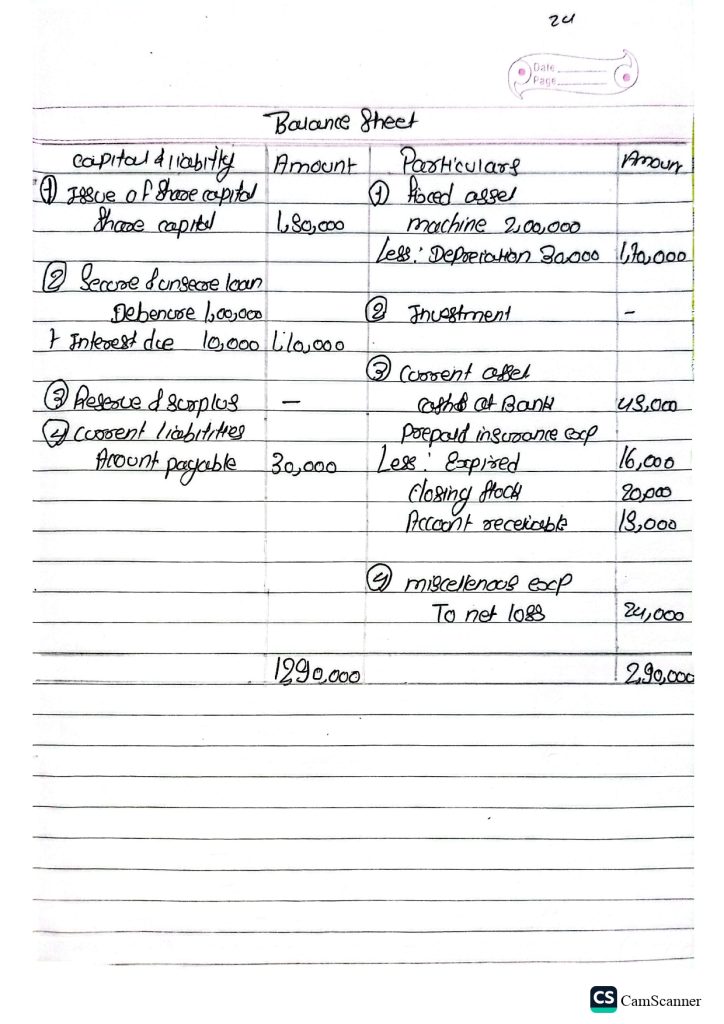
Board Past Year Question 2025 (New Course)
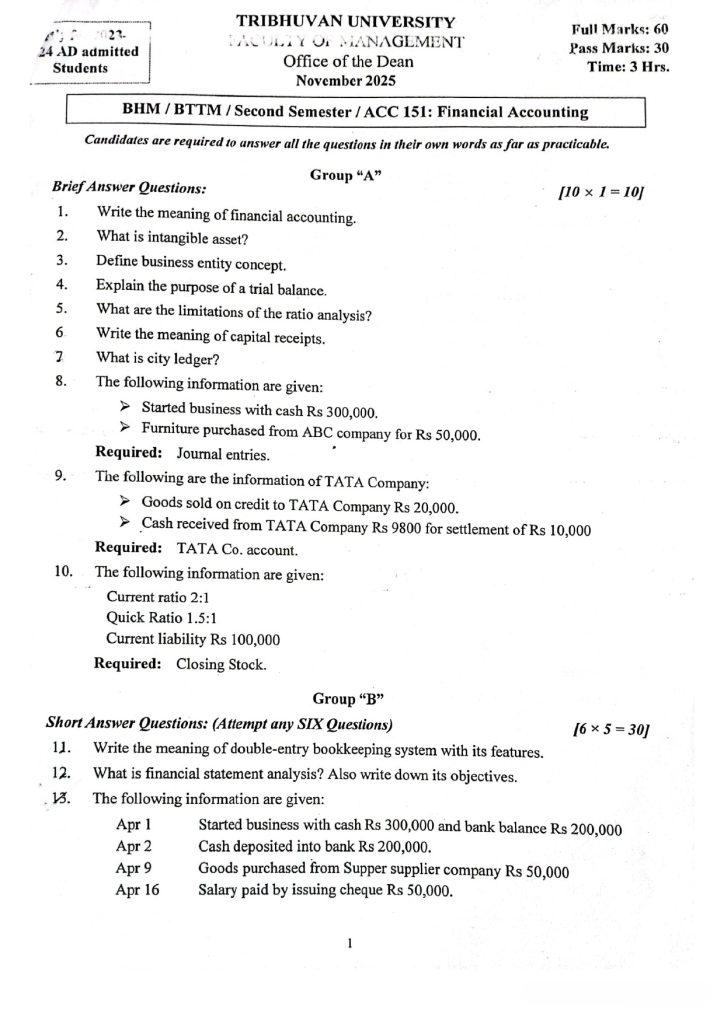
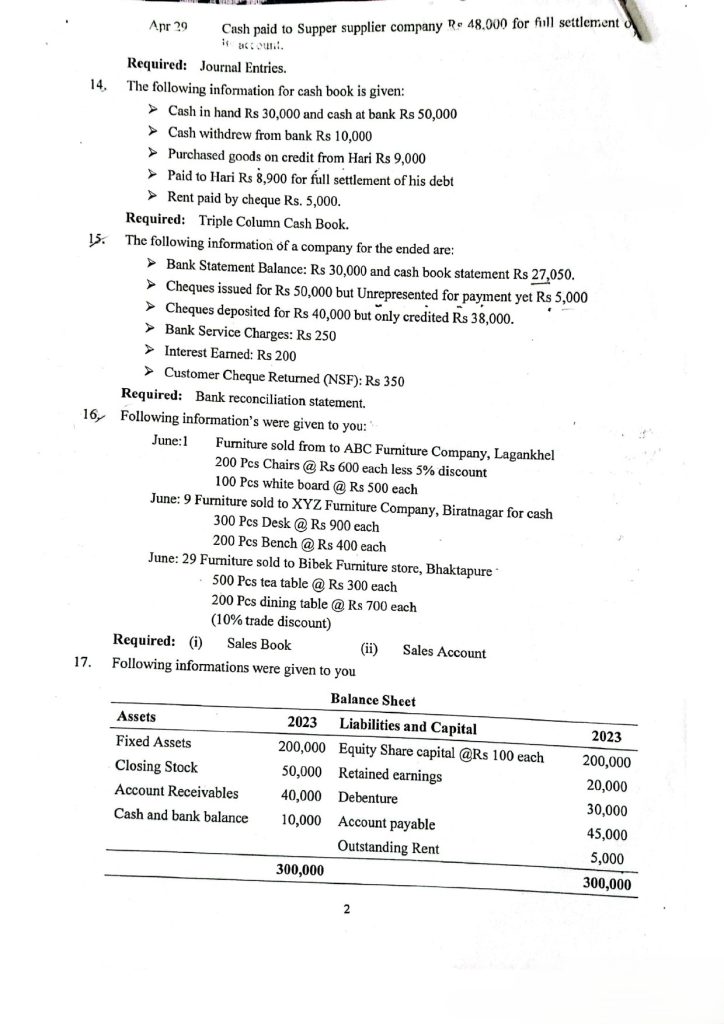
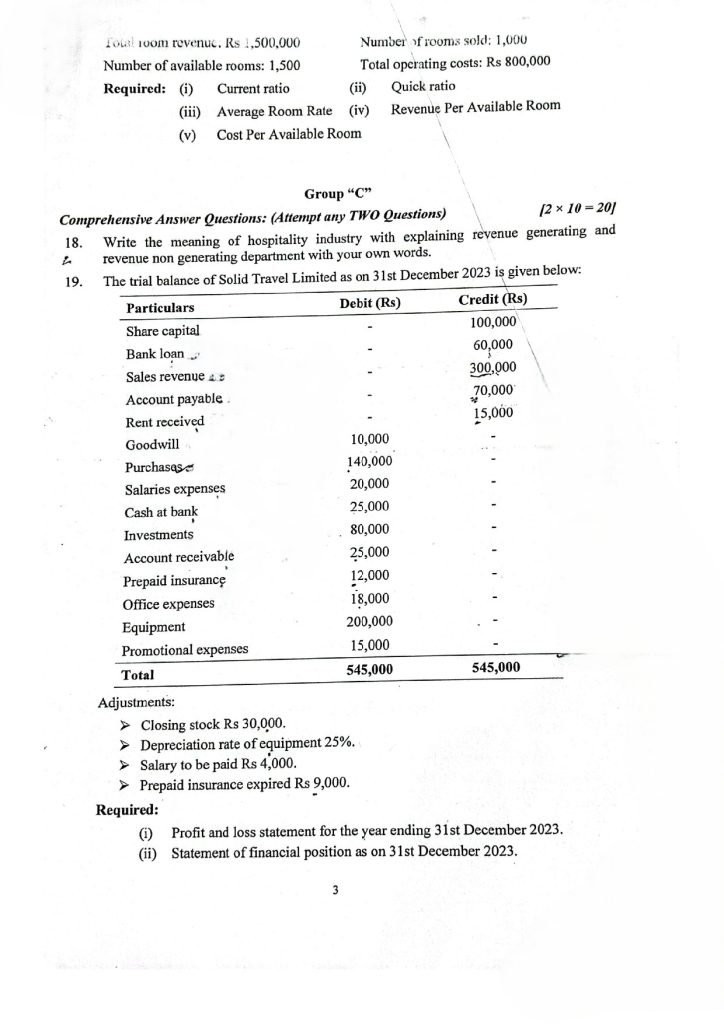
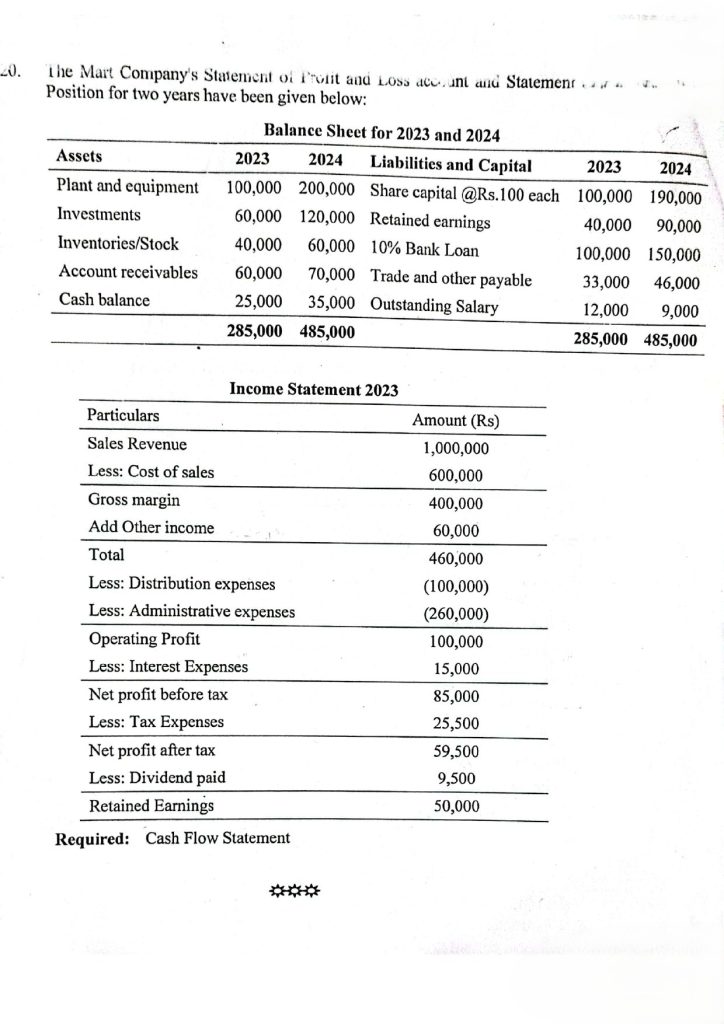
Solved Solutions: 2025
- Write the meaning of Financial accounitng?
↪
Financial accounting is the process of recording, classifying, summarizing, and reporting the financial transactions of a business to determine its financial performance and financial position.
In simple words: It is the process of keeping records of a business’s money-related transactions and preparing financial statements. - What is intangible assets?
↪
Intangible assets are non-physical assets of a business that have value and provide future economic benefits.
In simple words: They are assets that cannot be seen or touched, but they have financial value.
For example: Goodwils, patents, copyrights, trademark, Brand name, Computer software, etc. - Define business entity concept.
↪
The Business Entity Concept states that a business is treated as a separate entity (independent) from its owner, so the business’s financial transactions are recorded separately from the owner’s personal transactions.
Example: If the owner uses personal money to buy a personal mobile phone, it is not recorded as a business expense. - Explain the purpose of trial balance.
↪
The purpose of trial balance are:- To check arithmetical accuracy of the accounting records.
- To ensure that total debit equals total credit.
- To help locate errors in the books of accounts.
- To provide a basis for preparing financial statements such as the income statement and balance sheet.
- To summarize ledger balances in one statement.
- To help identify unusual or incorrect balances before preparing final accounts.
- What are the limitations of ratio analysis?
↪
The limitations of ratio analysis are:- Ratios are based on past financial data, so they may not reflect future performance.
- Ratios can be affected by different accounting methods and policies.
- They may be misleading due to inflation and changes in the value of money.
- Ratios do not consider qualitative factors such as employee skills, management quality, or customer satisfaction.
- It can be difficult to compare businesses of different sizes or operating in different industries.
- A single ratio cannot provide a complete picture of the financial condition of a business.
- Ratios may be affected by seasonal fluctuations in business activities.
- Write the meaning of capital recipts.
↪
Capital receipts are amounts of money received by a business that are not generated from its normal day-to-day operations and generally affect the capital or financial structure of the business.
Examples: Money received from issuing shares, taking long-term loans, or selling fixed assets. - What is City Ledger?
↪
A city ledger is a hotel accounting record that maintains the accounts of non-resident guests, companies, travel agencies, and other organizations that have outstanding payments with the hotel.
In simple words: It records amounts owed to the hotel by people or organizations who are not currently staying in the hotel.
Example: If a company books rooms for its employees and agrees to pay the hotel later, the amount due from the company is recorded in the city ledger.
Answer of Qn No 8
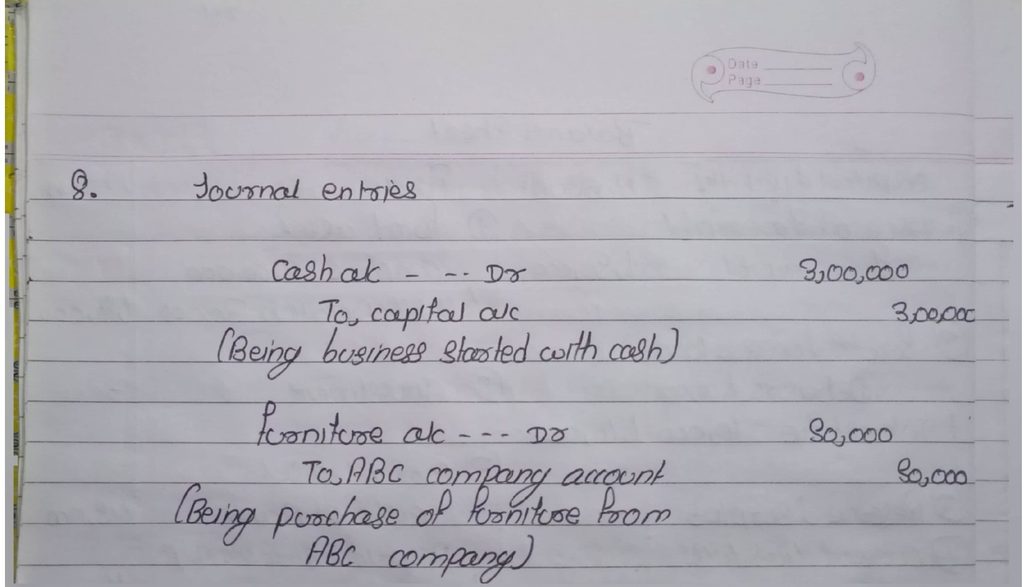
Answer of Qn No 9
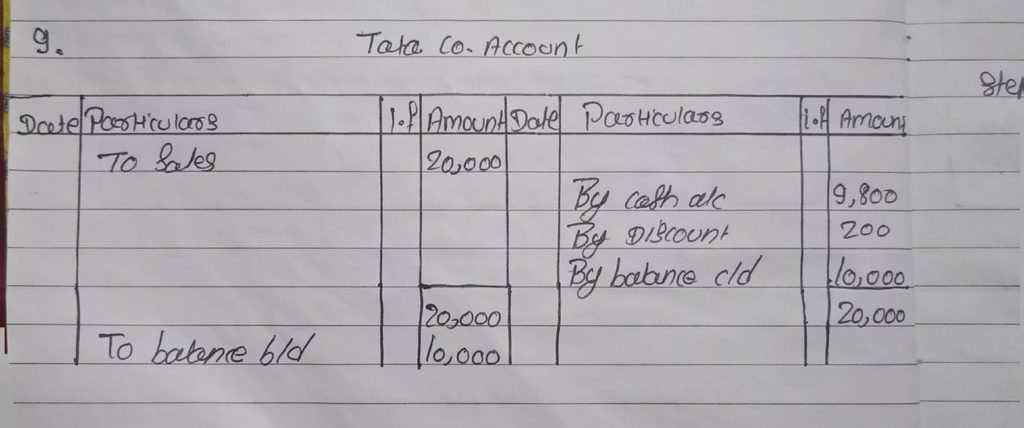
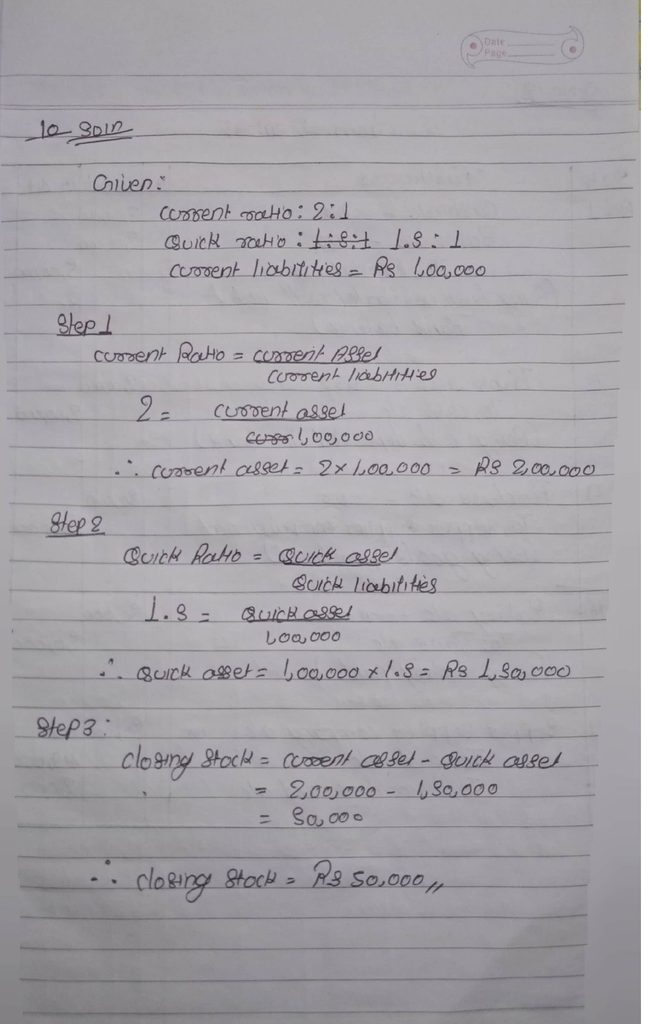
Answer of Qn No 10
- Write the meaning of double-entry bookkeeping system with its features.
↪
The double-entry bookkeeping system is a system of recording financial transactions in which every transaction affects at least two accounts, with one account debited and another account credited with an equal amount.
It’s features are listed below:- Two aspects: Every transaction has two aspects—debit and credit.
- Equal debit and credit: The total debit is always equal to the total credit.
- Complete recording: All financial transactions are recorded systematically.
- Based on accounting equation: It follows Assets = Liabilities + Capital.
- Helps determine profit or loss: It provides information for preparing the income statement.
- Shows financial position: It helps prepare the balance sheet.
- Helps detect errors: A trial balance can be prepared to check the arithmetical accuracy of records.
- Systematic and reliable: Transactions are recorded in an organized and consistent manner.
- What is financial statement analysis? Also write down its objectives.
↪
Financial statement analysis is the process of examining and interpreting the financial statements of a business to understand its financial performance and financial position.
It’s objectives are listed below:- To measure the profitability of the business.
- To evaluate the financial position of the business.
- To measure the liquidity of the business.
- To evaluate the solvency and long-term financial stability.
- To identify the strengths and weaknesses of the business.
- To compare financial performance between different accounting periods.
- To help management in planning and decision-making.
- To provide useful information to investors, creditors, and other users.
- To evaluate the efficiency of business operations.
- To provide a basis for future financial planning and control.
Answer of Qn No 13
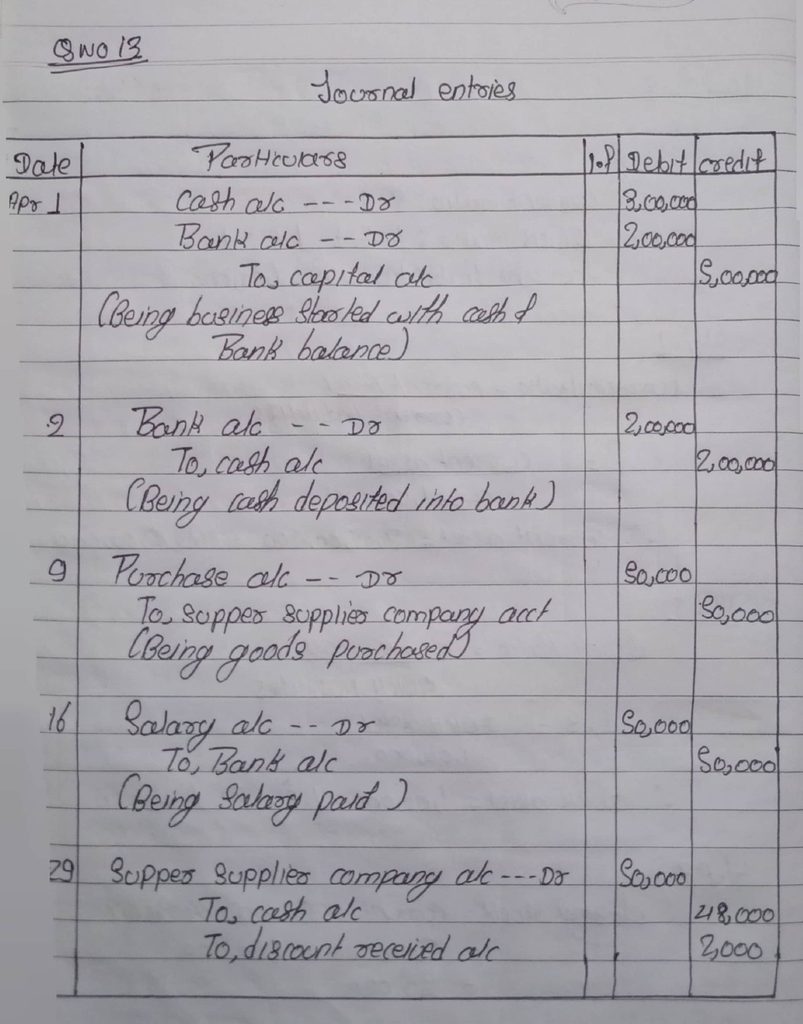
Answer of Qn No 14
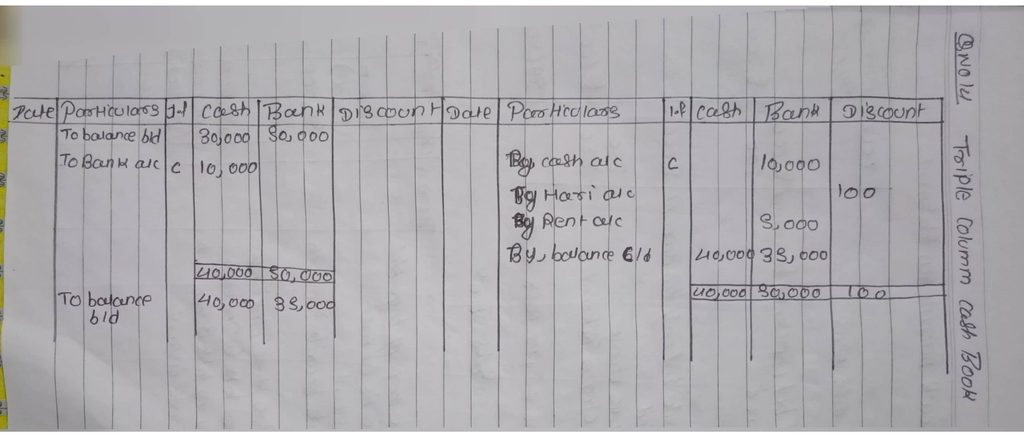
Answer of Qn No 15
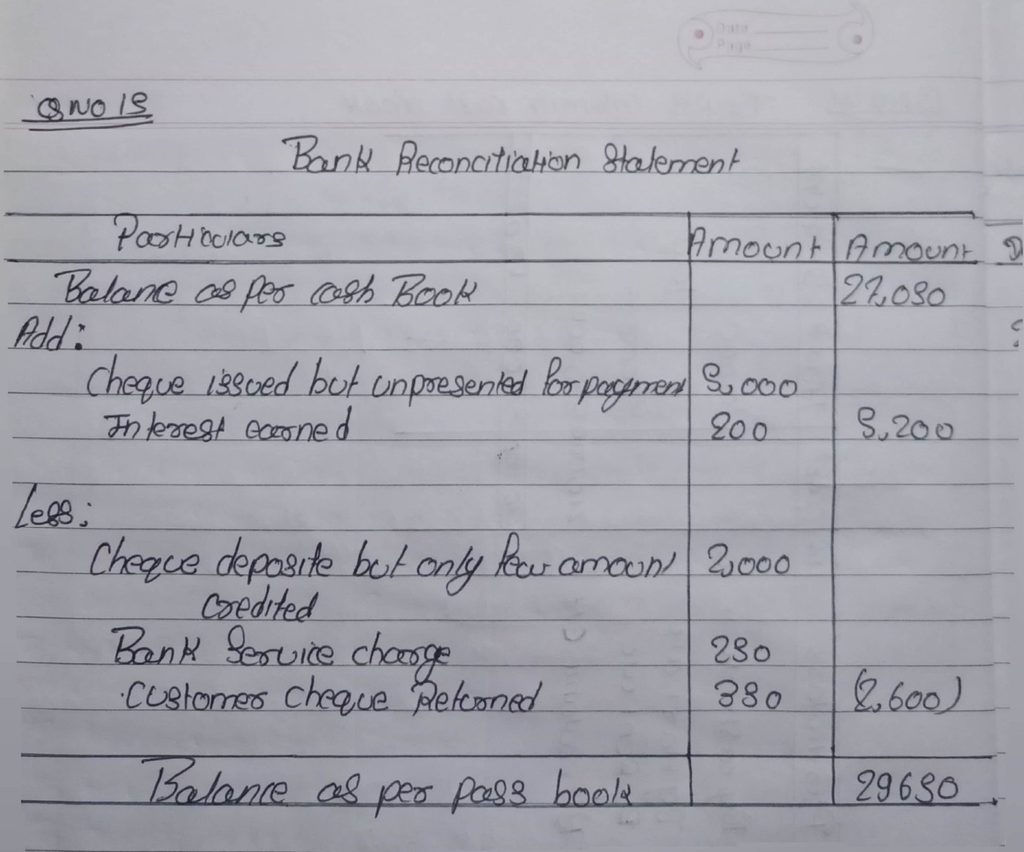
Answer of Qn No 16
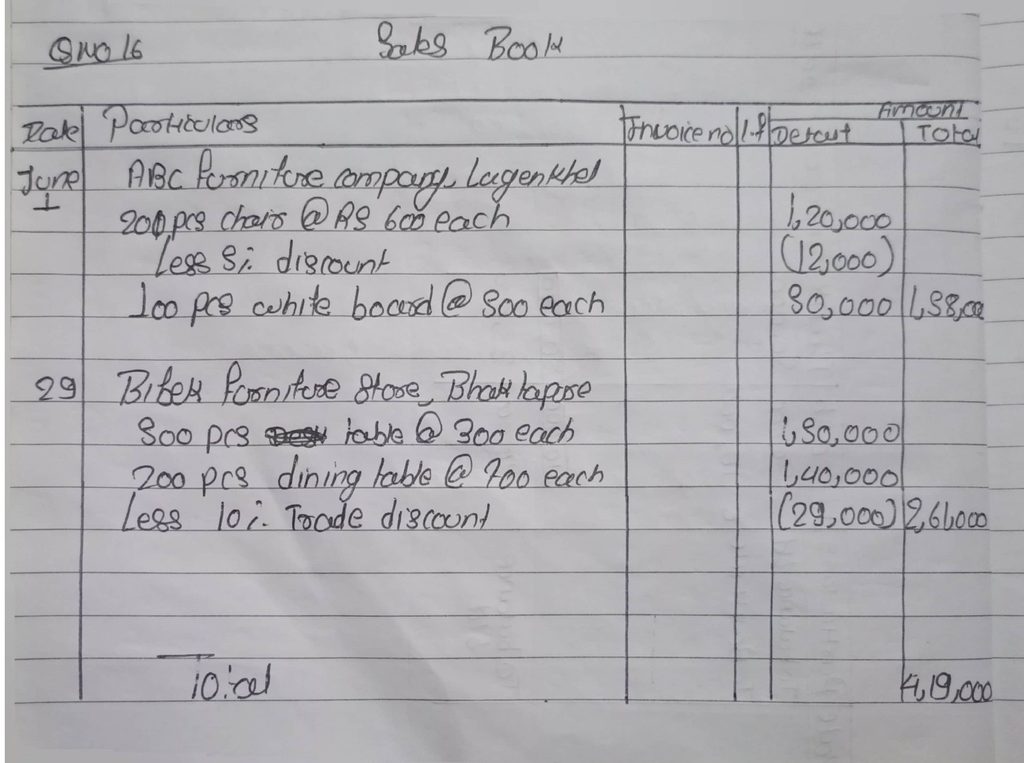
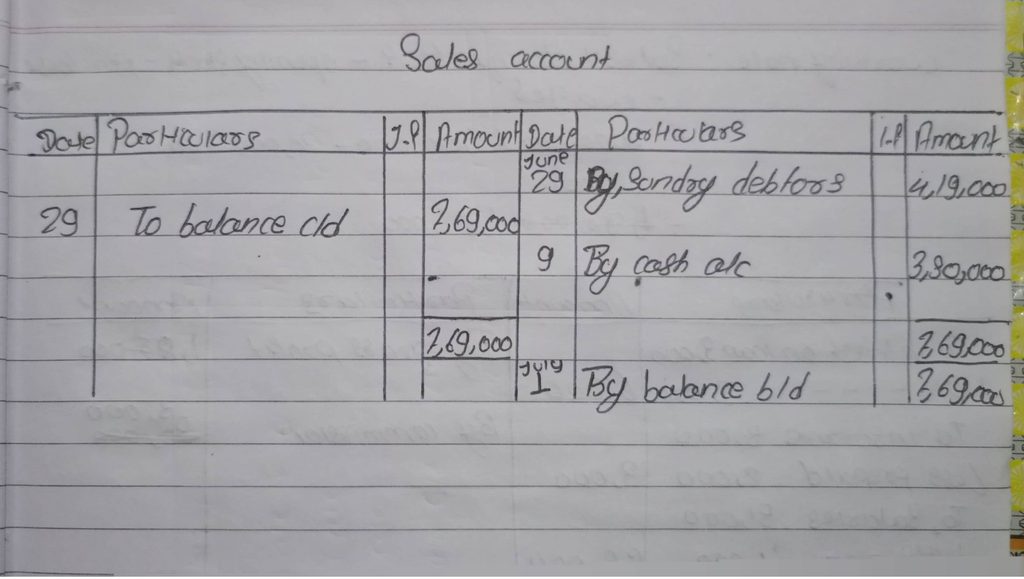
Answer of Qn No 17
Pending – Can you send us solved solutions? Please #100% accurate
- Write the meaning of hospitality industry with explaining revenuegeneating and revenue non generating department with your own words.
↪
The hospitality industry is a service-based industry that provides accommodation, food, beverages, entertainment, and other services to guests and customers. Hotels, restaurants, resorts, airlines, travel businesses, and similar establishments are part of this industry.
Revenue-Generating Departments
Revenue-generating departments are those departments that directly earn income for the hospitality business by selling goods or services to guests.
Examples:
a. Rooms/Front Office: Earns revenue by selling hotel rooms.
b. Food and Beverage: Earns revenue from restaurants, bars, banquets, and room service.
c. Spa: Earns revenue by providing spa and wellness services.
d. Laundry: May generate revenue by providing laundry services to guests.
Non-Revenue-Generating Departments
Non-revenue-generating departments are those departments that do not directly earn money from guests but support the departments that generate revenue. They are important for the smooth operation of the business.
For example:
a. Housekeeping: Maintains cleanliness and prepares rooms for guests.
b. Human Resources: Recruits, trains, and manages employees.
c. Accounting/Finance: Maintains financial records and controls expenses.
d. Security: Protects guests, employees, and hotel property.
e. Engineering/Maintenance: Maintains equipment, buildings, and facilities.
Answer of Qn No 19
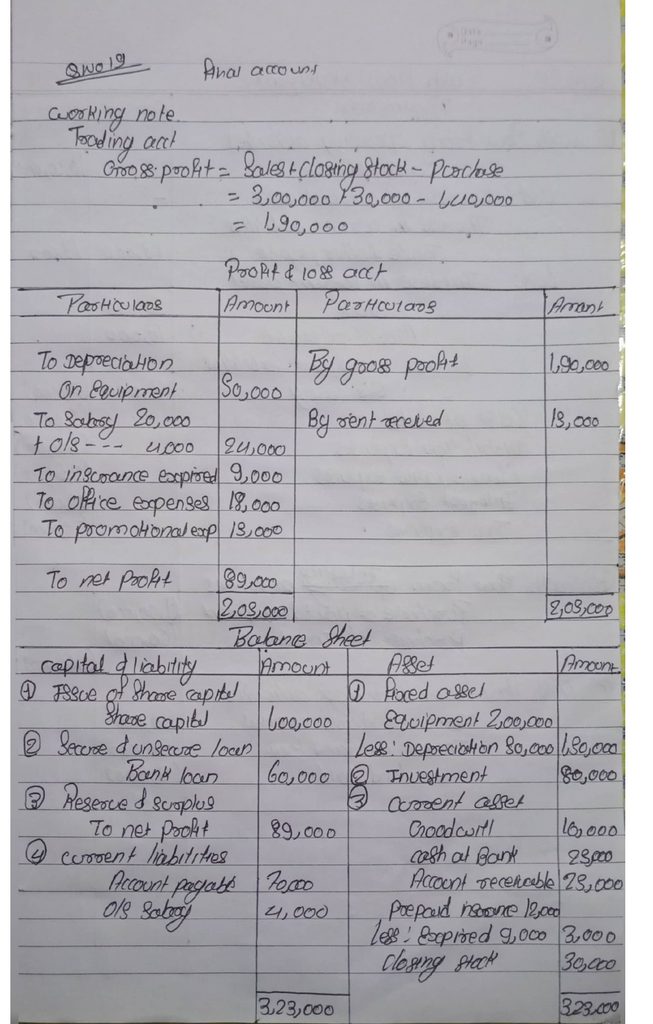
Answer of Qn No 20